
Two special events, Sat. Aug 1, 2026:
1. Solar Power Workshop, register here
- Tour of installation by Ara Lynn, owner
- Presentation by Gregory Blake, South Pack Solar Installer
-
Climate Resilience Grants by Kerry Rickrode,Hillsborough County Conservation District
-
Native Shade Perennials by Sarah Tarr,Amazing Flower Farm
- Questions & Answers

In 2023 we began applying for grants to help build a solar array at Amazing Flower Farm. It 2024 we were awarded two grants, a Rural Energy for America Program grant through USDA, and a Climate Resilience Grant through Hillsborough County Conservation District. In November, 2024, we began construction, and on January 21, 2025, we got the official OK from Eversource to begin using our solar array. So far the last time we owed money to Eversource for electricity was May of 2025. In July of 2026, we finally finished setting up useful spaces beneath the solar array. It is very exciting, and we hope you can come see it!
2. Potted Daylilies 2026
Ready to plant! Wait for the slideshow, or Use arrows to scroll through the 10 varieties shown here.
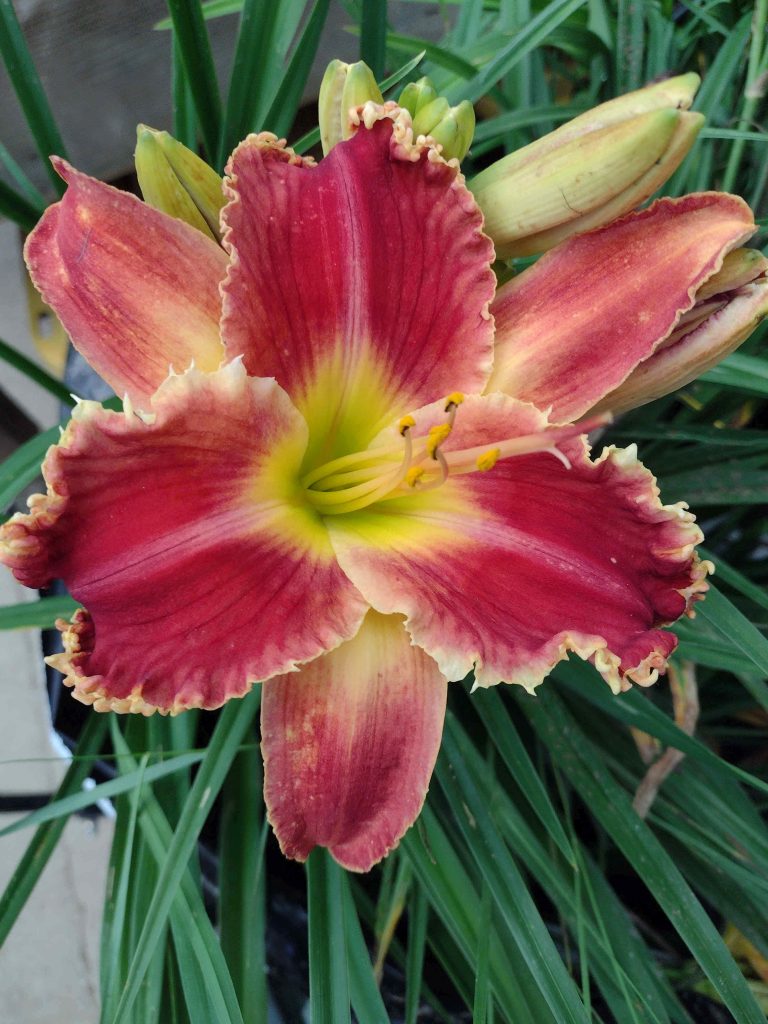
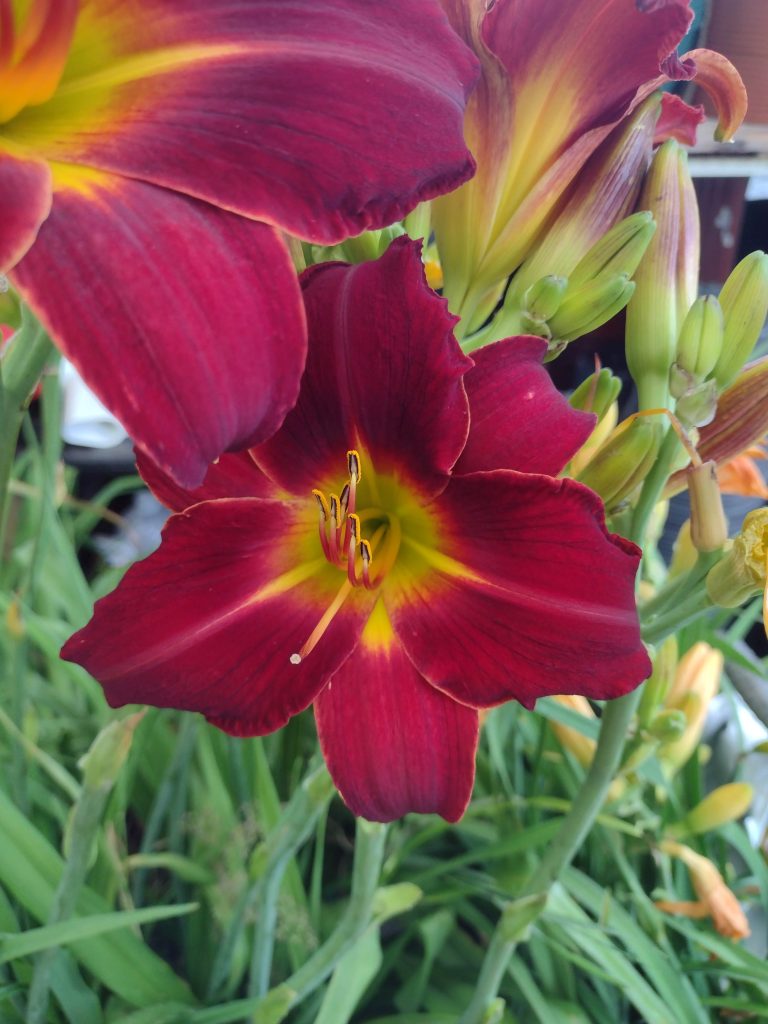
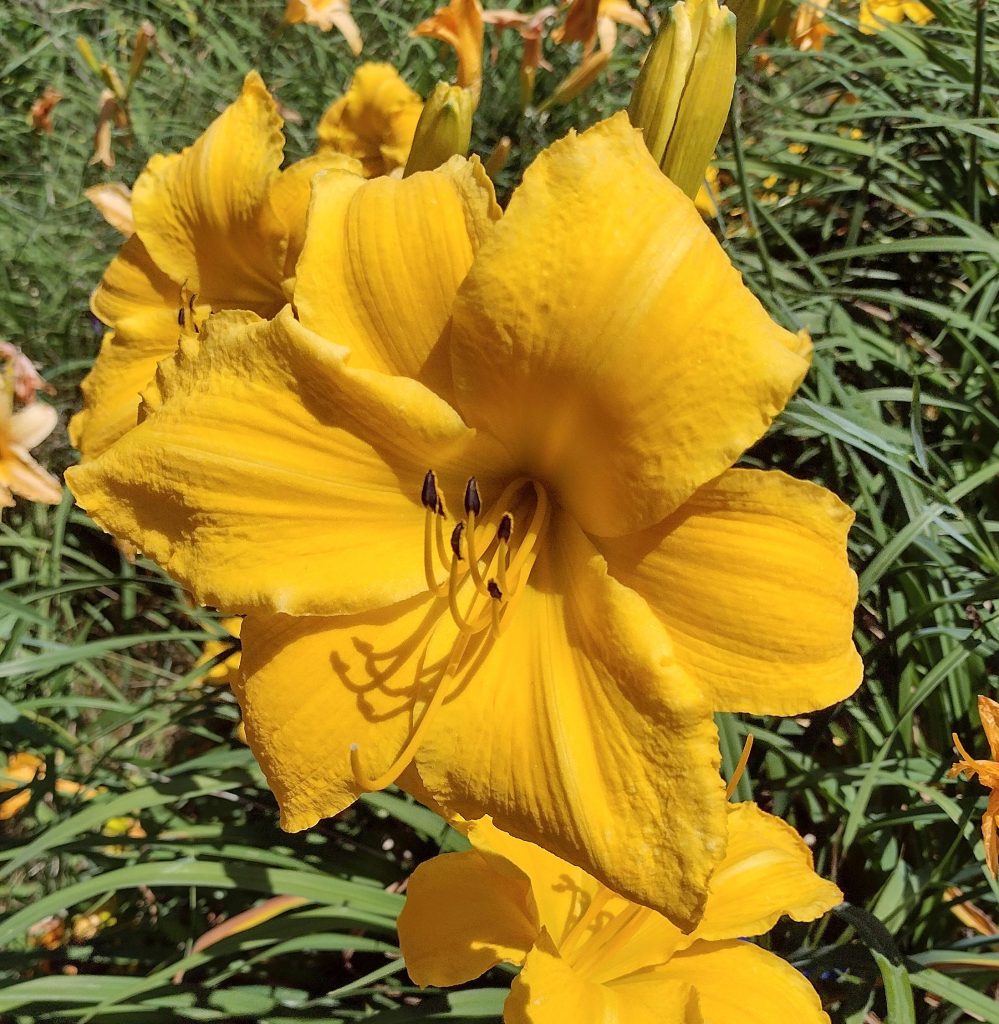
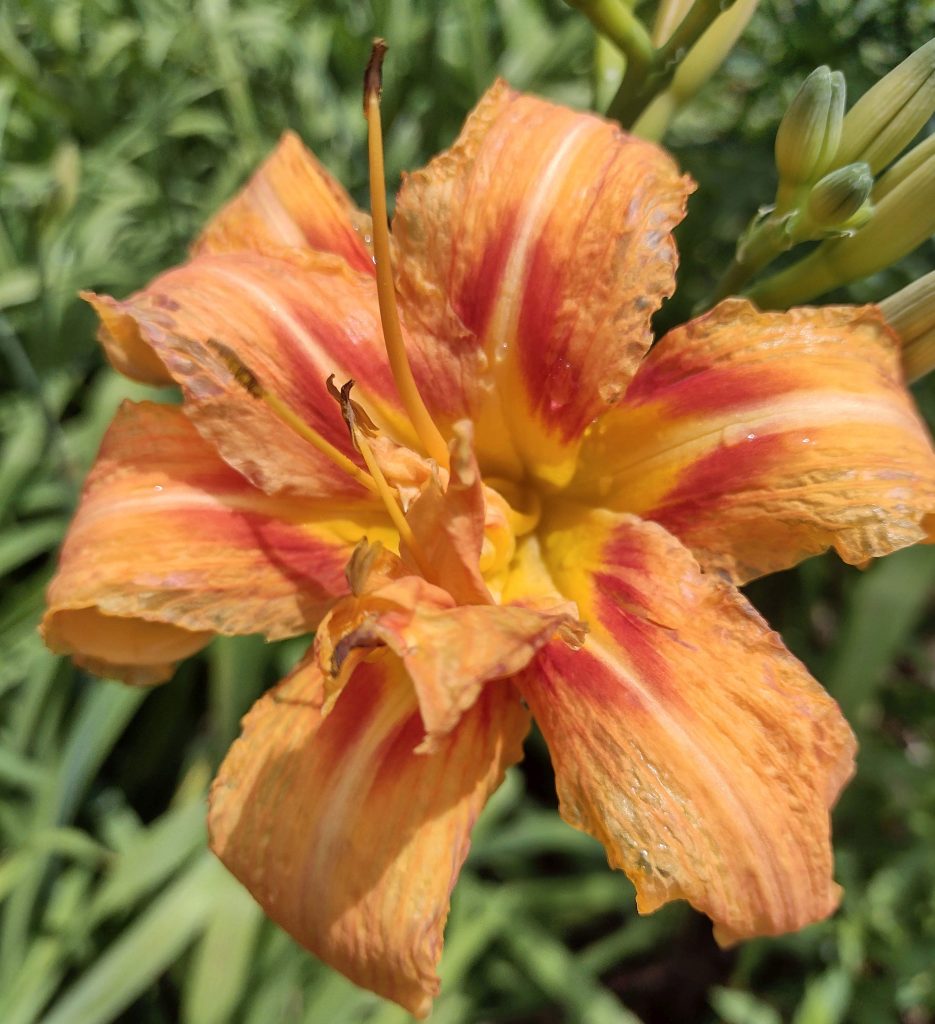
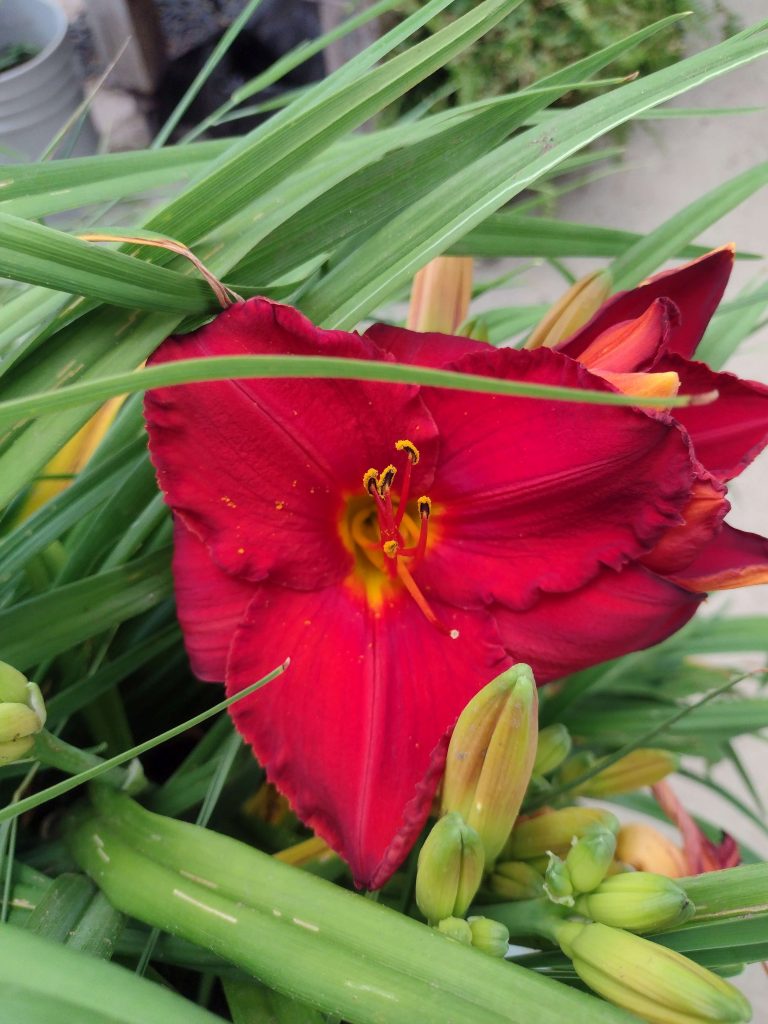
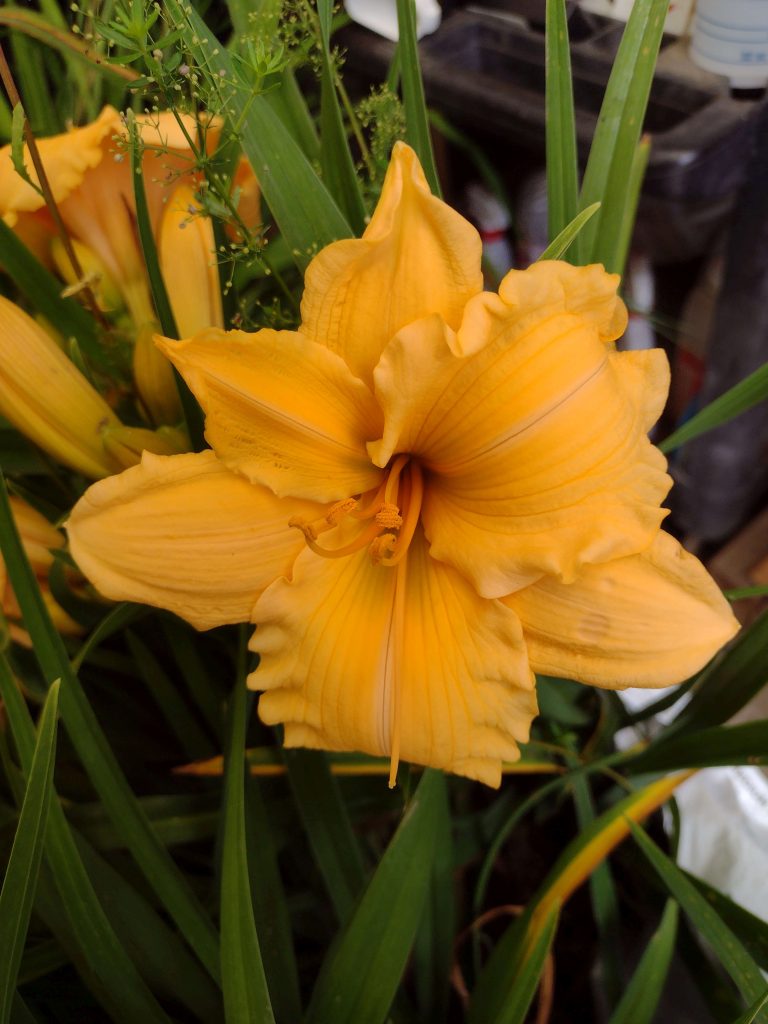
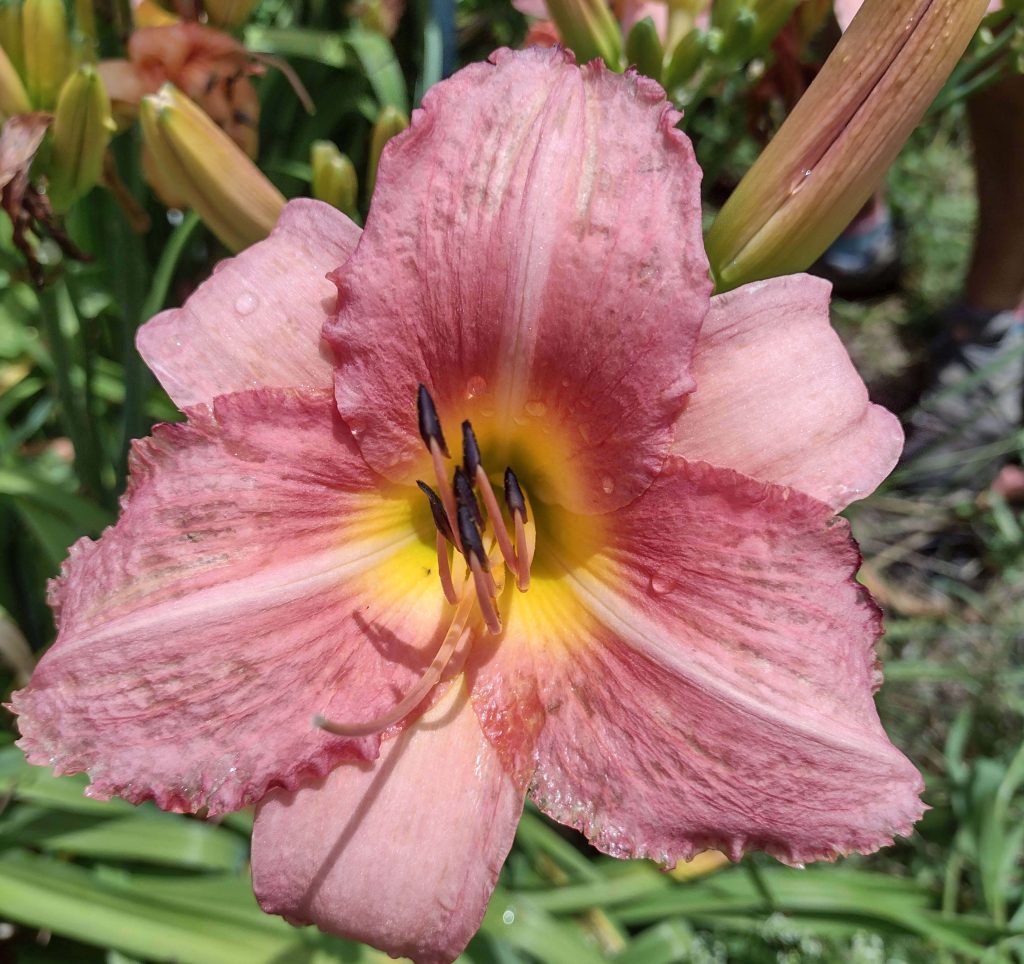
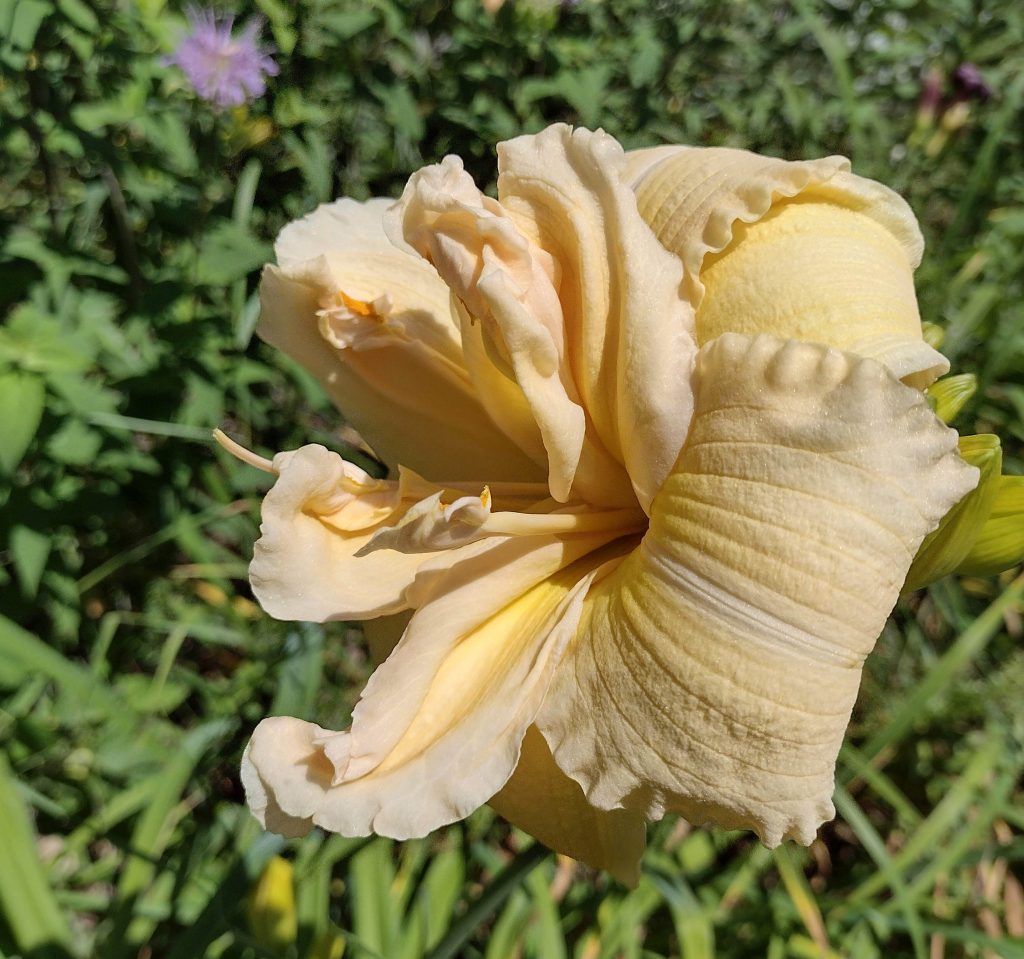
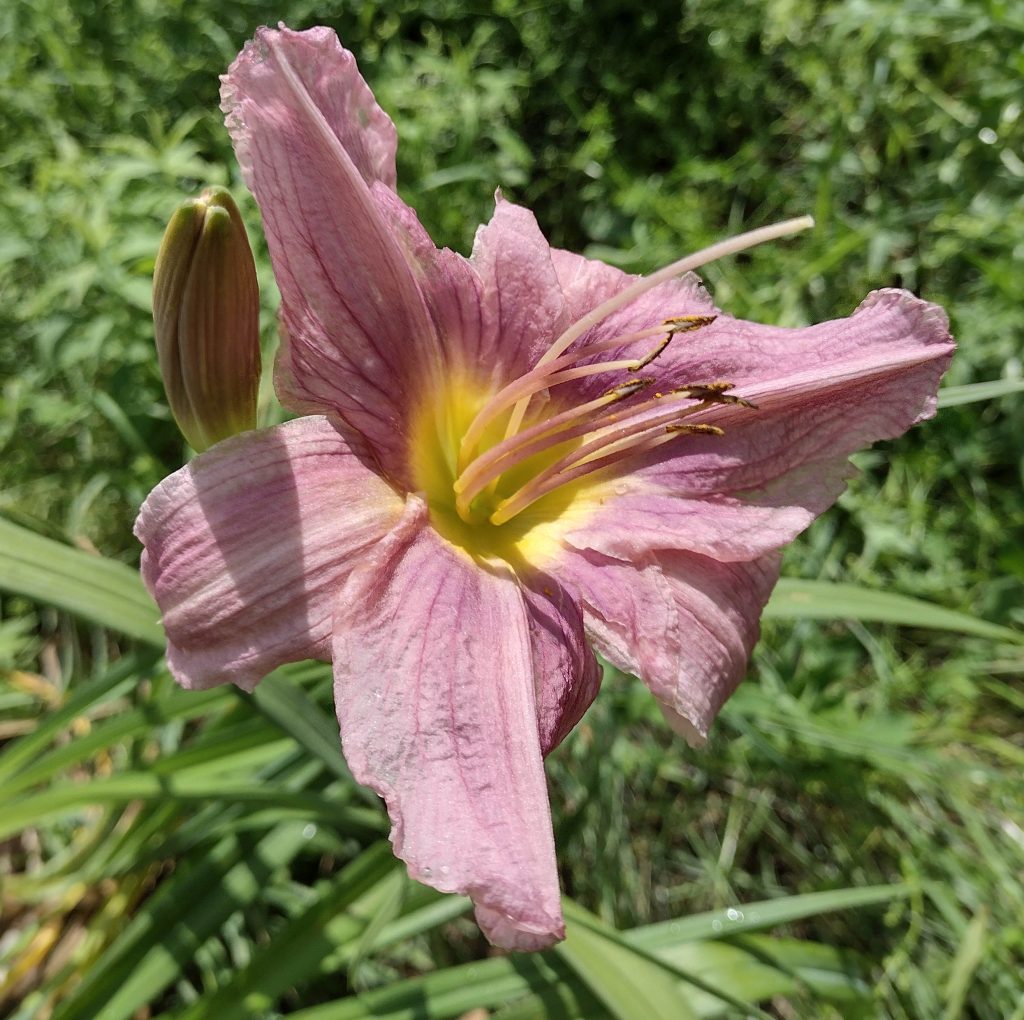
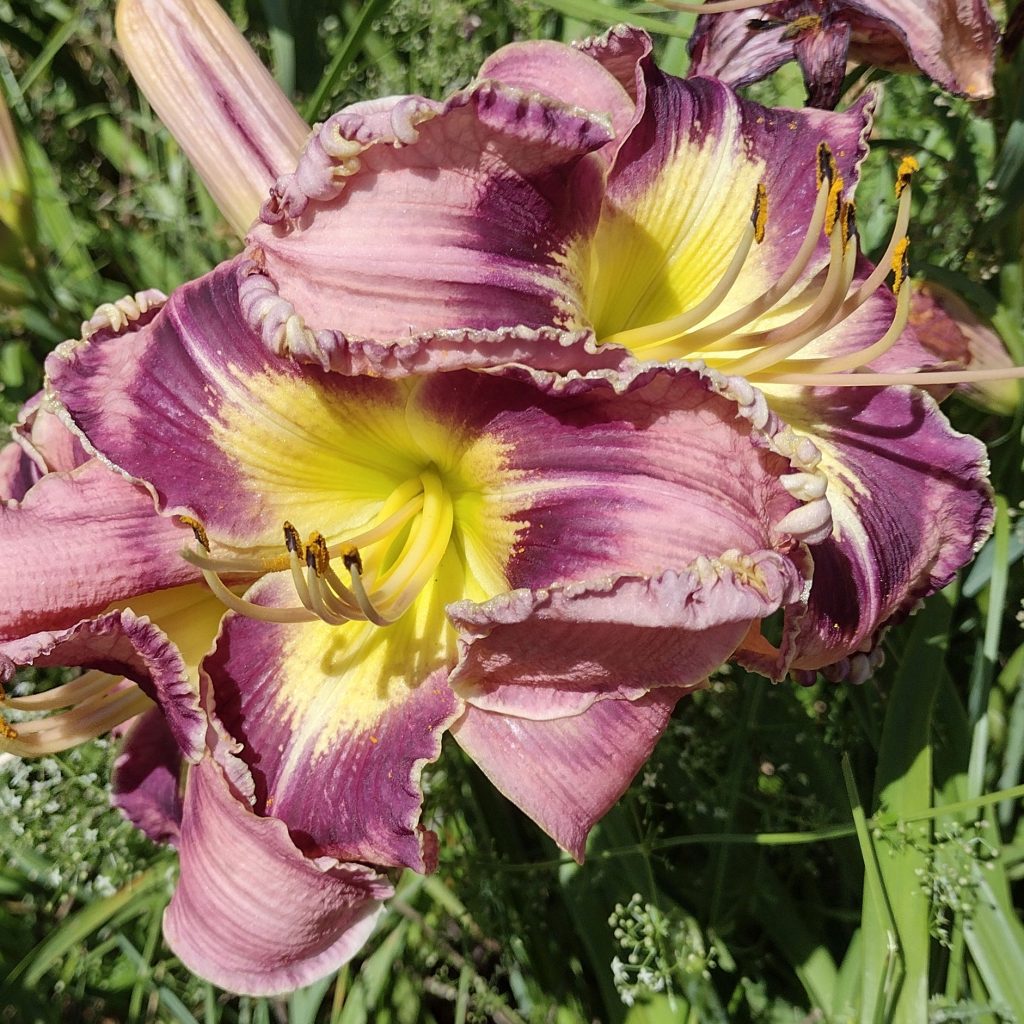
Our 2026 season has ended, EXCEPT for potted daylily sales on Aug 1.
- We’re super excited, as always, about our plants, but we only sell on-site. You’ll just have to come and see!
- After a year without it, we have Chicken Gold once again. It’s a soil amendment that we have long used on our own vegetable gardens to help build healthy soil.
- This year we also have a new soil amendment we’ve mixed ourselves. After trying it out last season on our vegetables we found the results good enough to offer it for sale to you. It worked well on brassicas (cabbages, broccoli, cauliflower, etc.), daikon radishes, kohlrabi and the like. It consists of an organic slow release fertilizer along with green sand and azomite – the last two add lots of nutrients to the soil.
- This year we’re also going to trial the use of biochar in our gardens. Biochar sequesters carbon in the soil, which benefits the environment in general, but it also helps with moisture retention, which is becoming increasingly important with the dry summers we’ve been getting. If you’re interested, we’ll have that available for our customers if you’re interested in trying it out.
Salt Marsh Hay
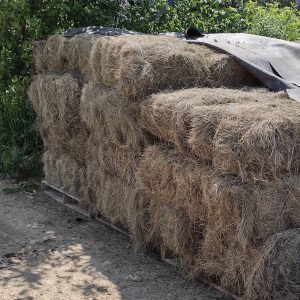
A customer called us about salt marsh hay as we were busy setting up this year, and it’s a good thing, too. We called a seacoast farmer who supplies us, only to find he was selling out fast. He’d been unable to get into his fields all winter – when he usually cuts them – because of constant ice. He’d only been able to cut a short time, and his crop was being scooped up by buyers throughout New England. We were able to get there a few days later and bring back a trailer-load.
Salt marsh hay holds up longer than regular mulch hay. There are no weeds that survive on dry land. When it does eventually break down, it adds lots of good micronutrients to your soil. A bale spread out 3″ thick covers approximately 80 square feet. (We measured.) Plus, for a while, it kind of smells like the ocean!

-
Check out our 2025 picture plant lists:
- Annuals
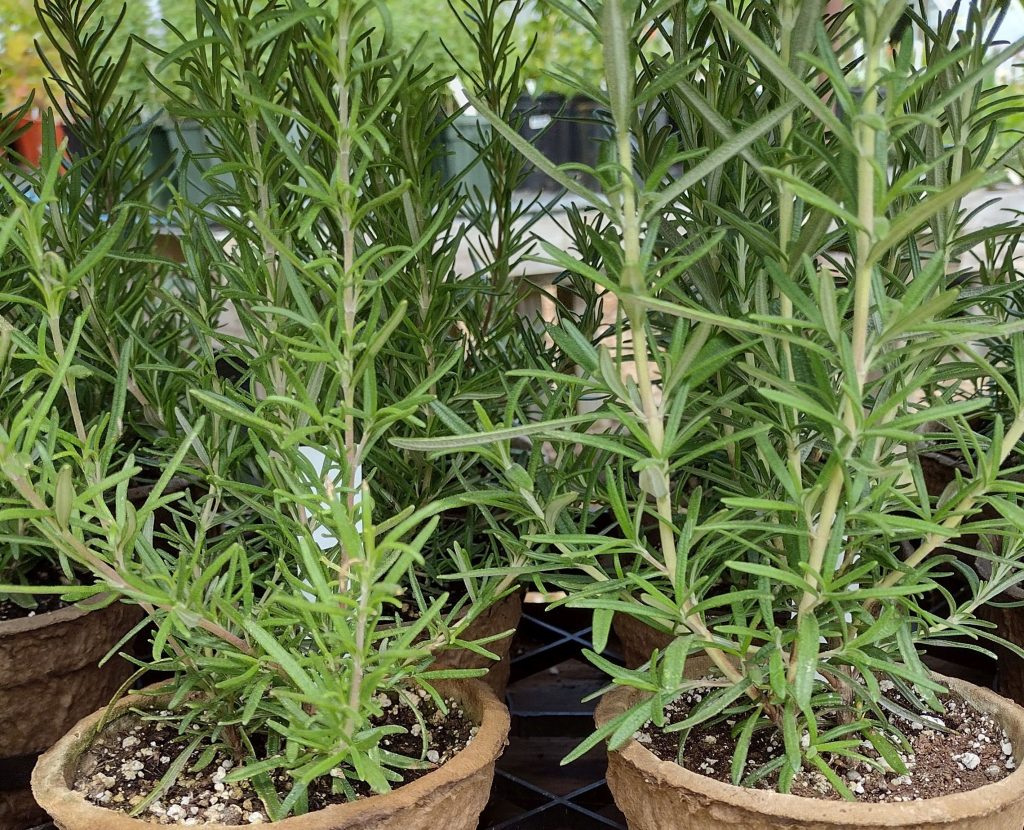
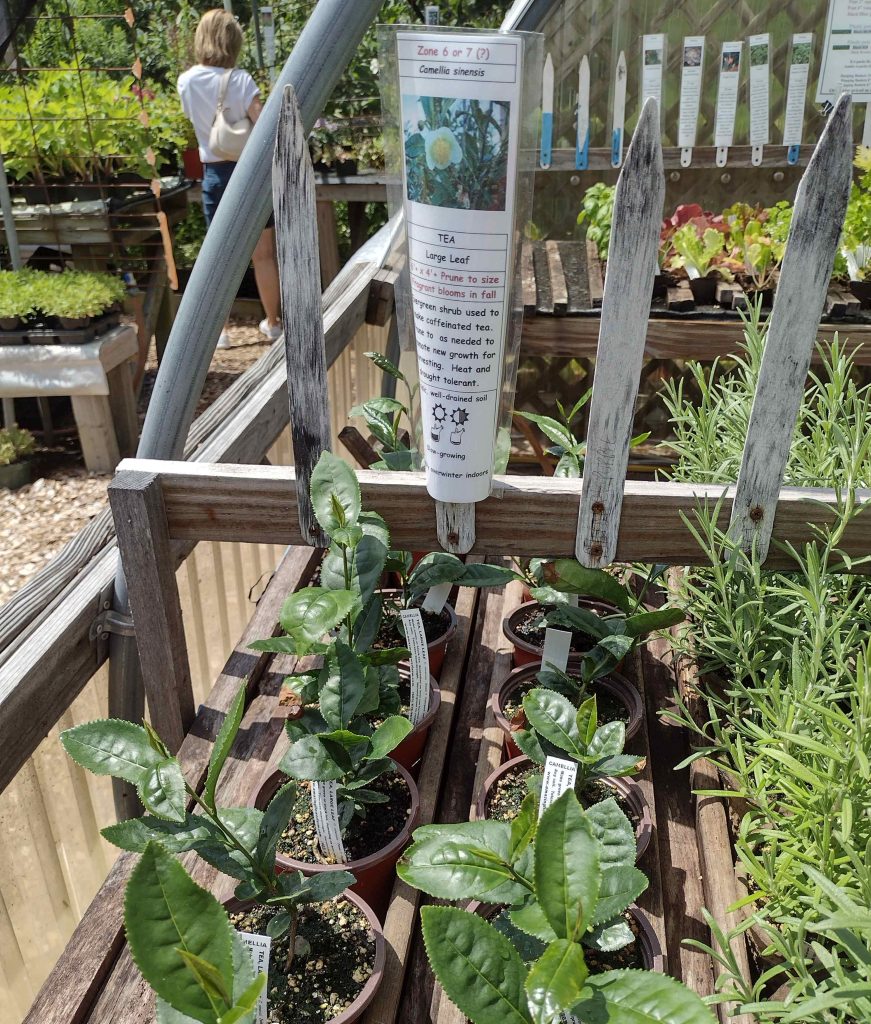
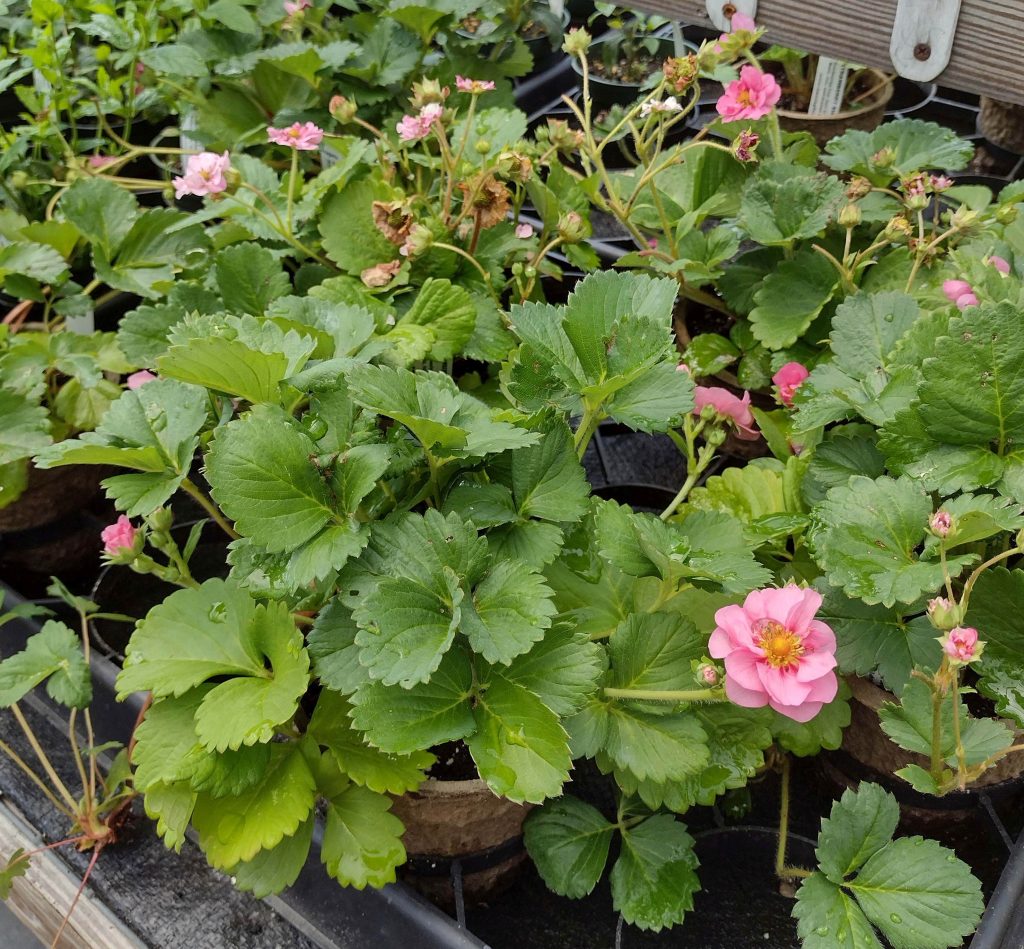
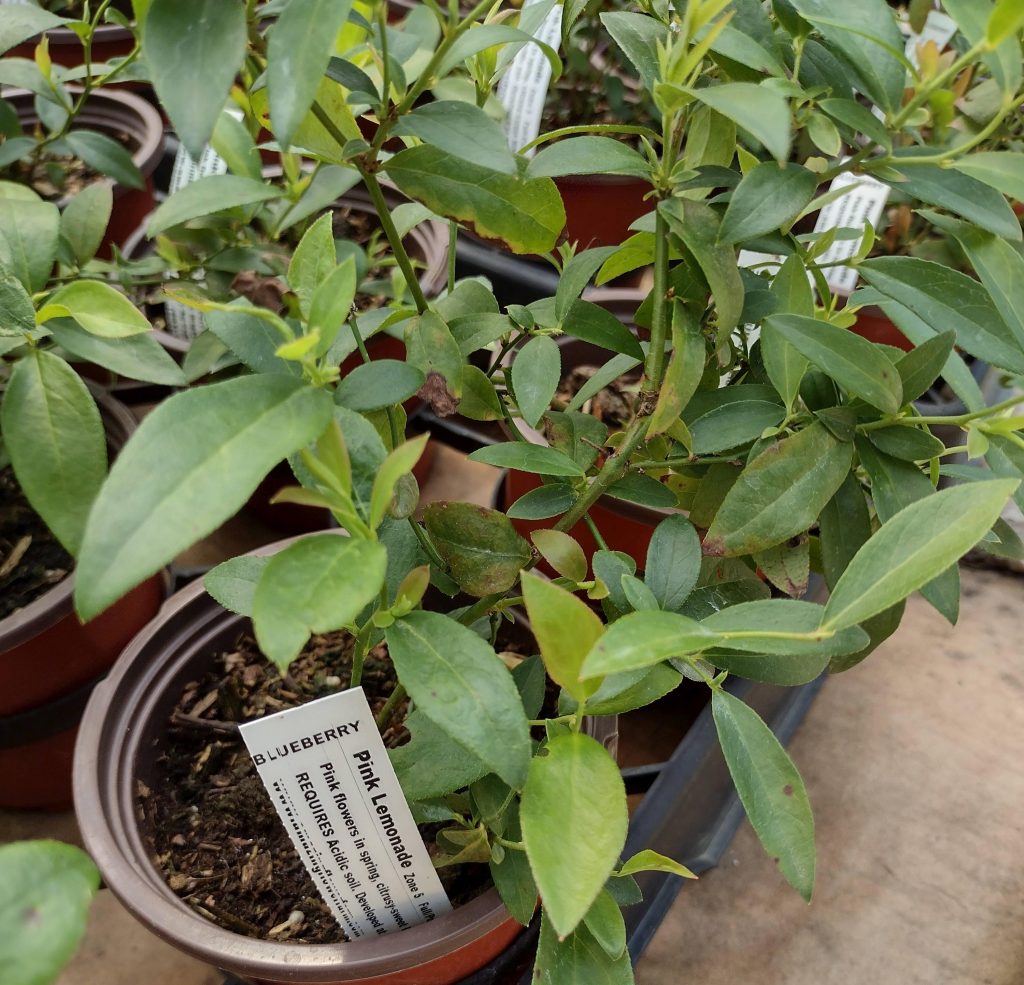
- Edibles (veggie starts, herbs, small fruits, etc.)
- Perennials
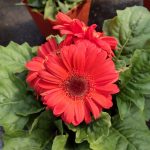
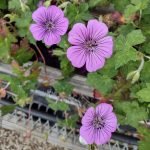
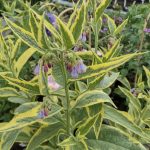
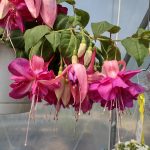
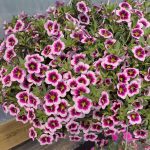
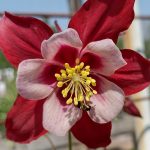
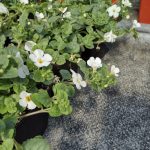
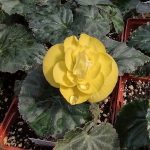
We’ve got lots of healthy green in the greenhouses but we’ve also got color, too:
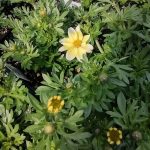
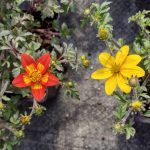
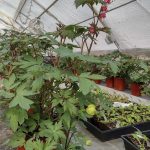

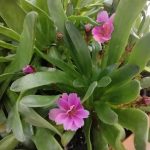
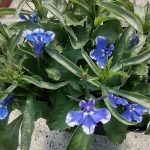
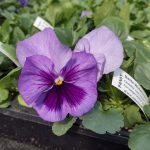
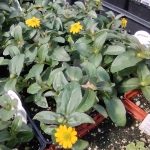
Previous seasons: 2024
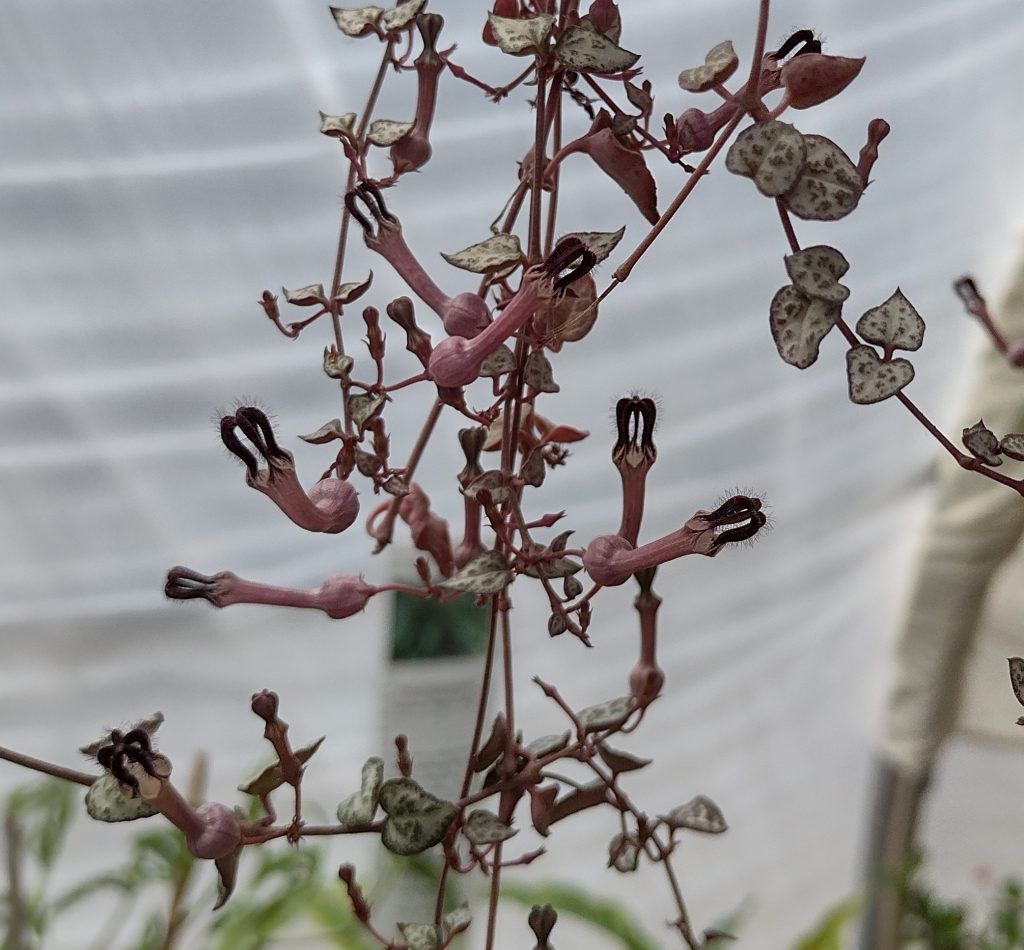
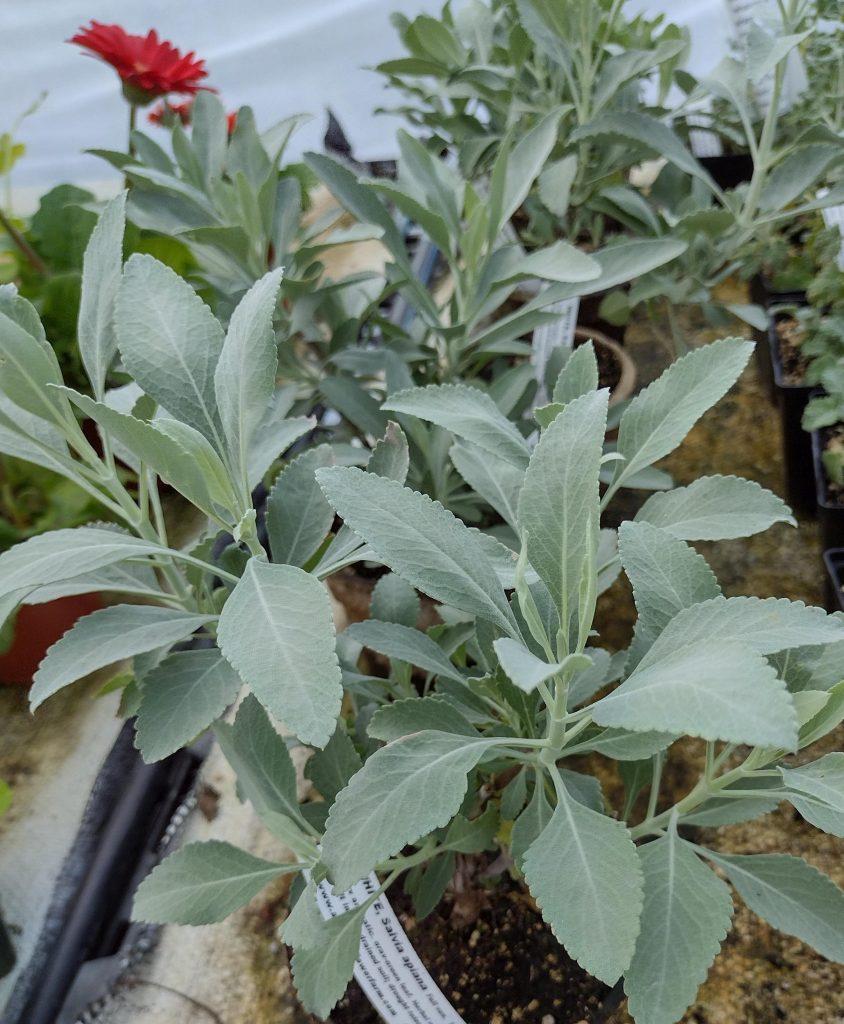
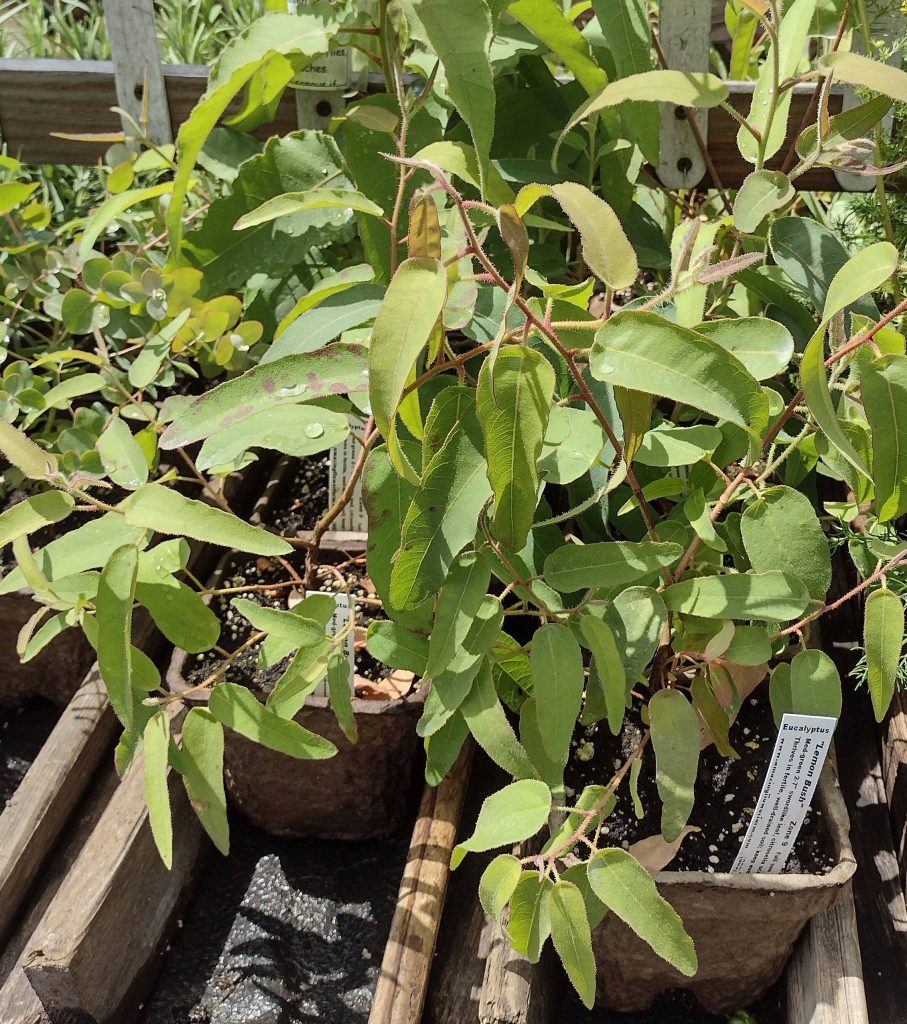
Here are some miscellaneous really cool plants. Hover over the pictures to see the captions:
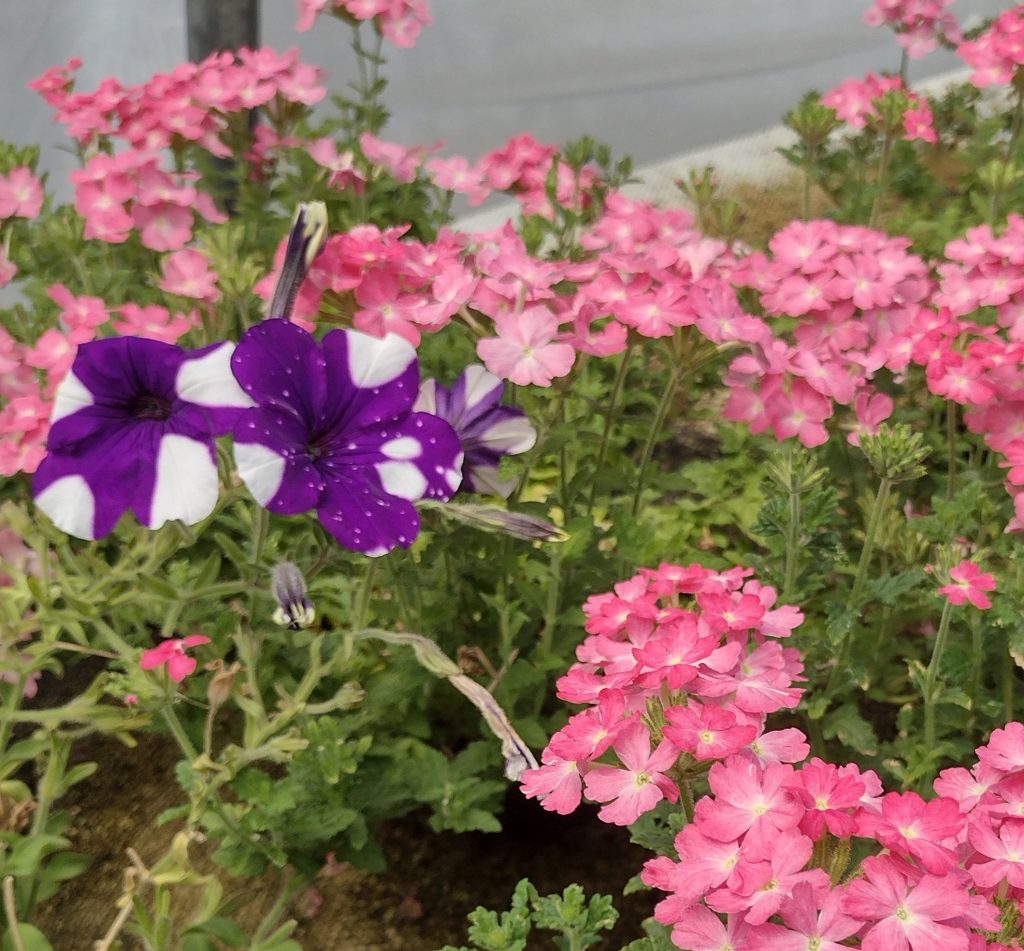
Here are some of the annuals we have left:
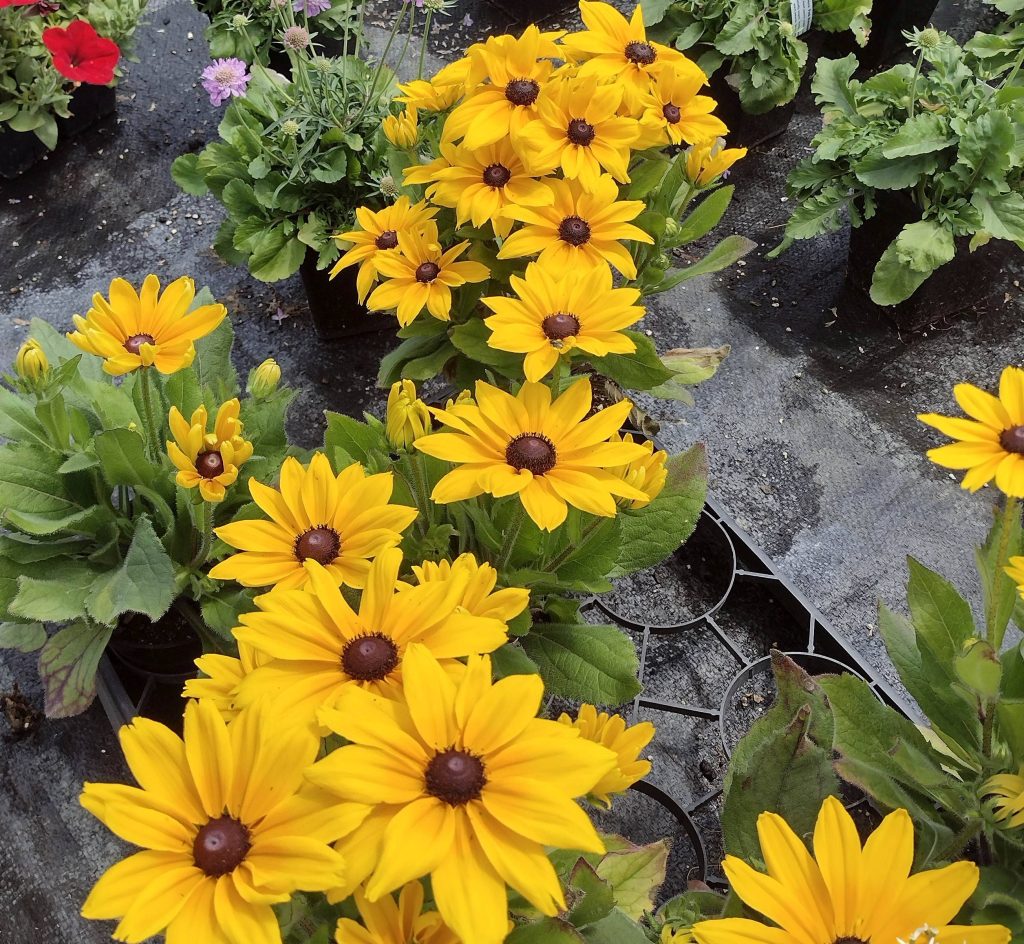
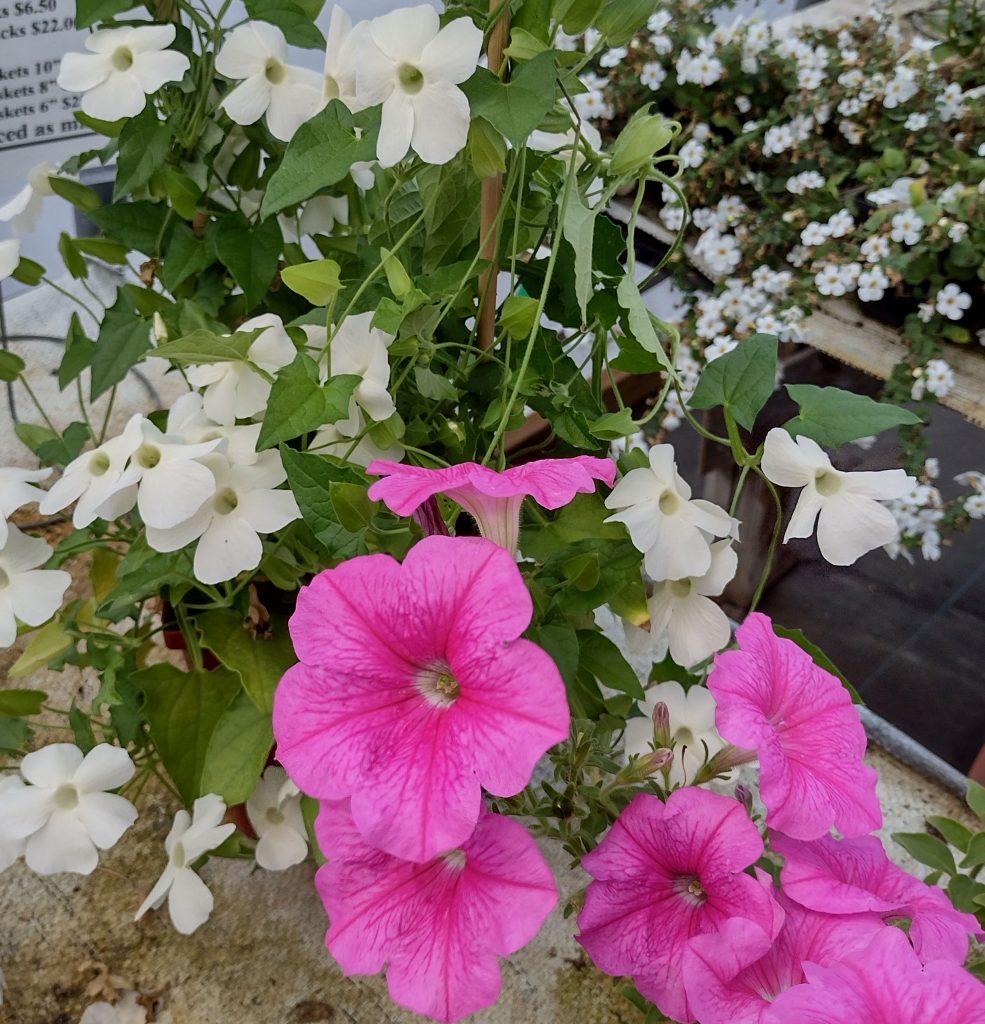
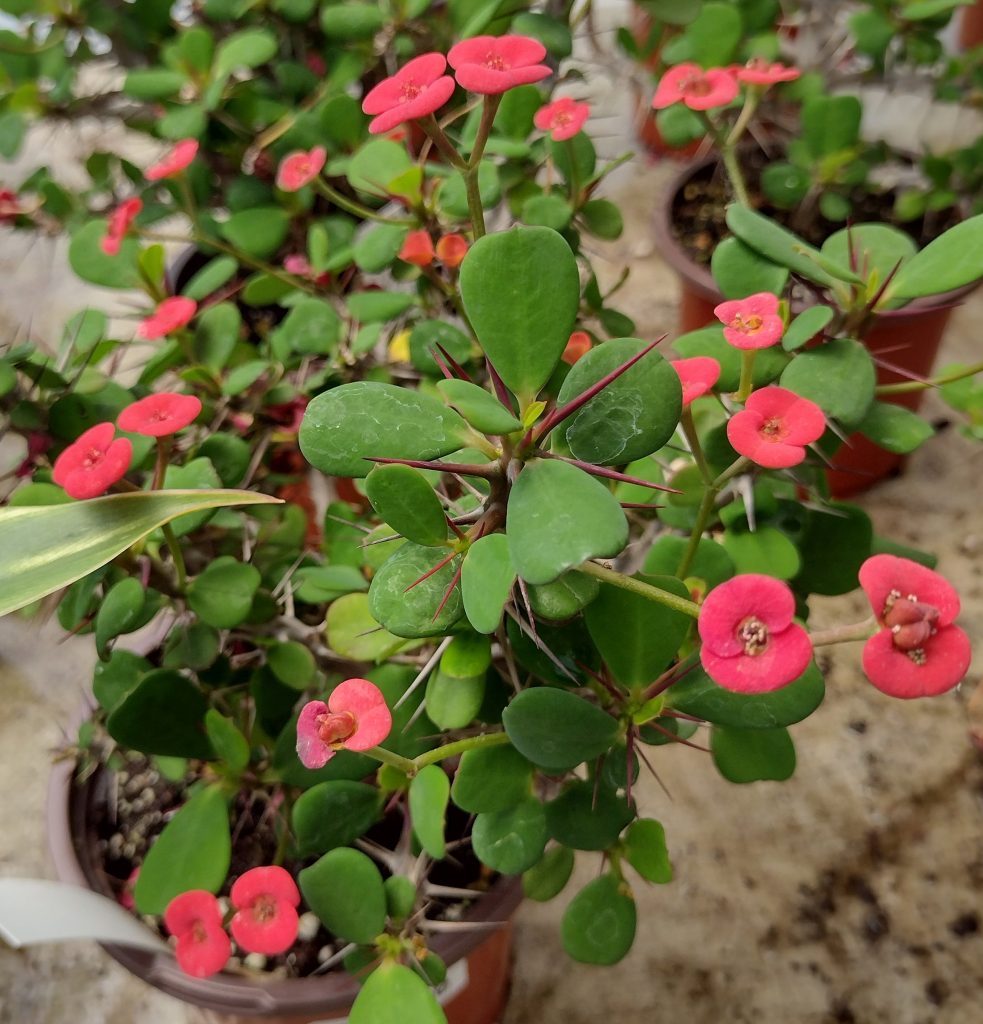
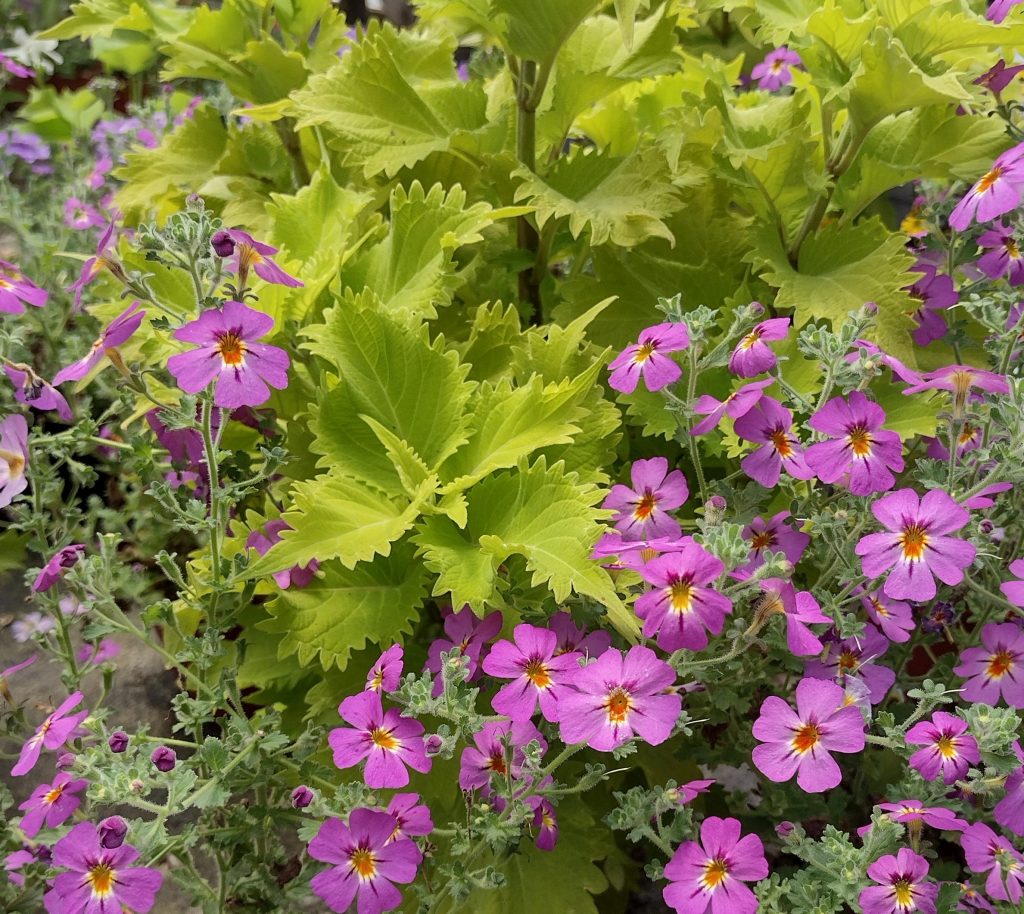
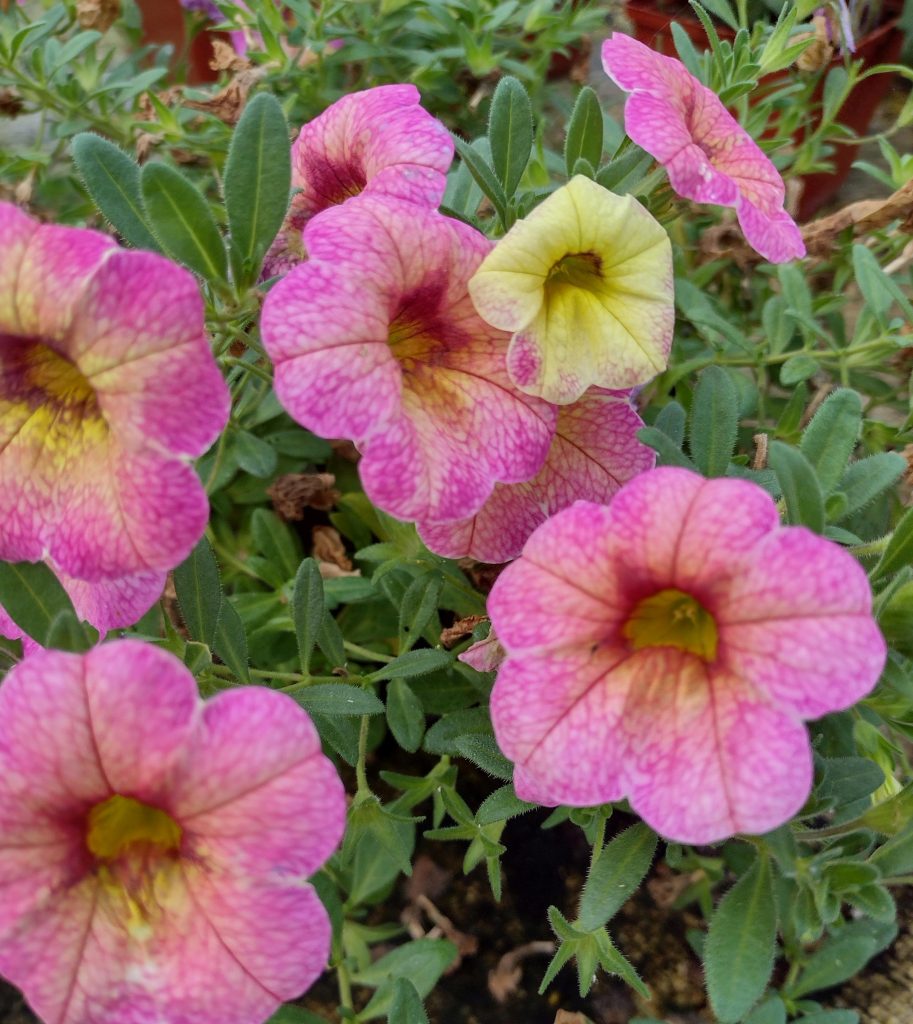
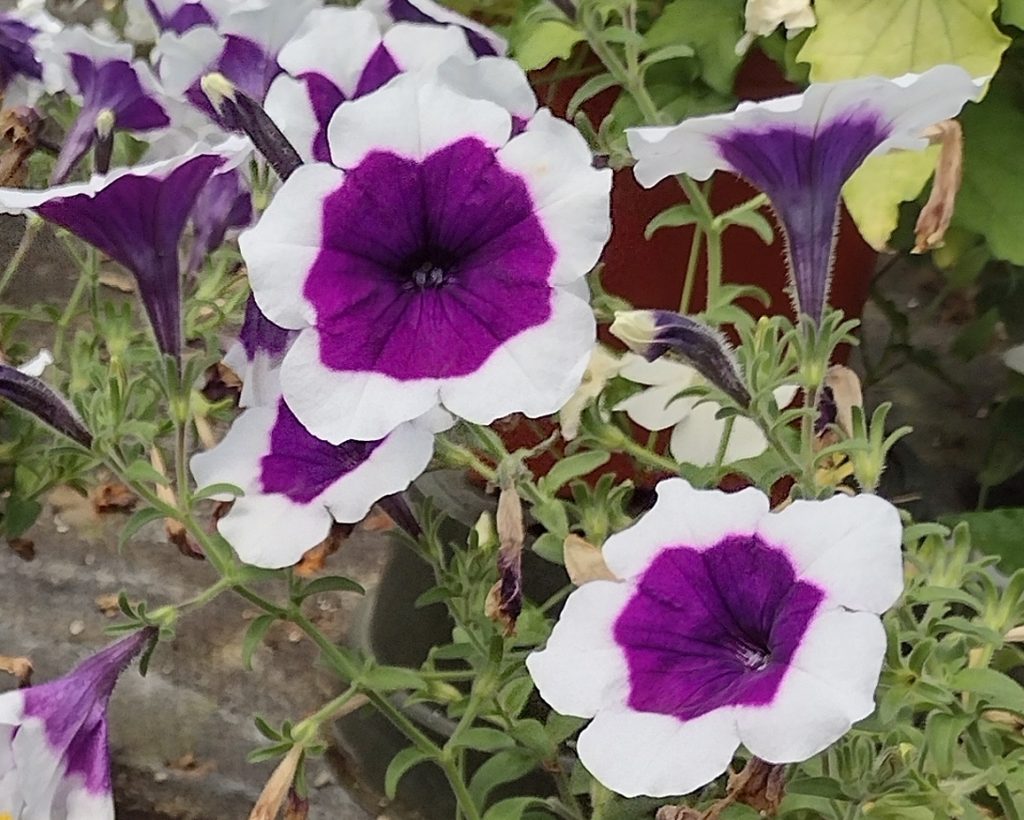
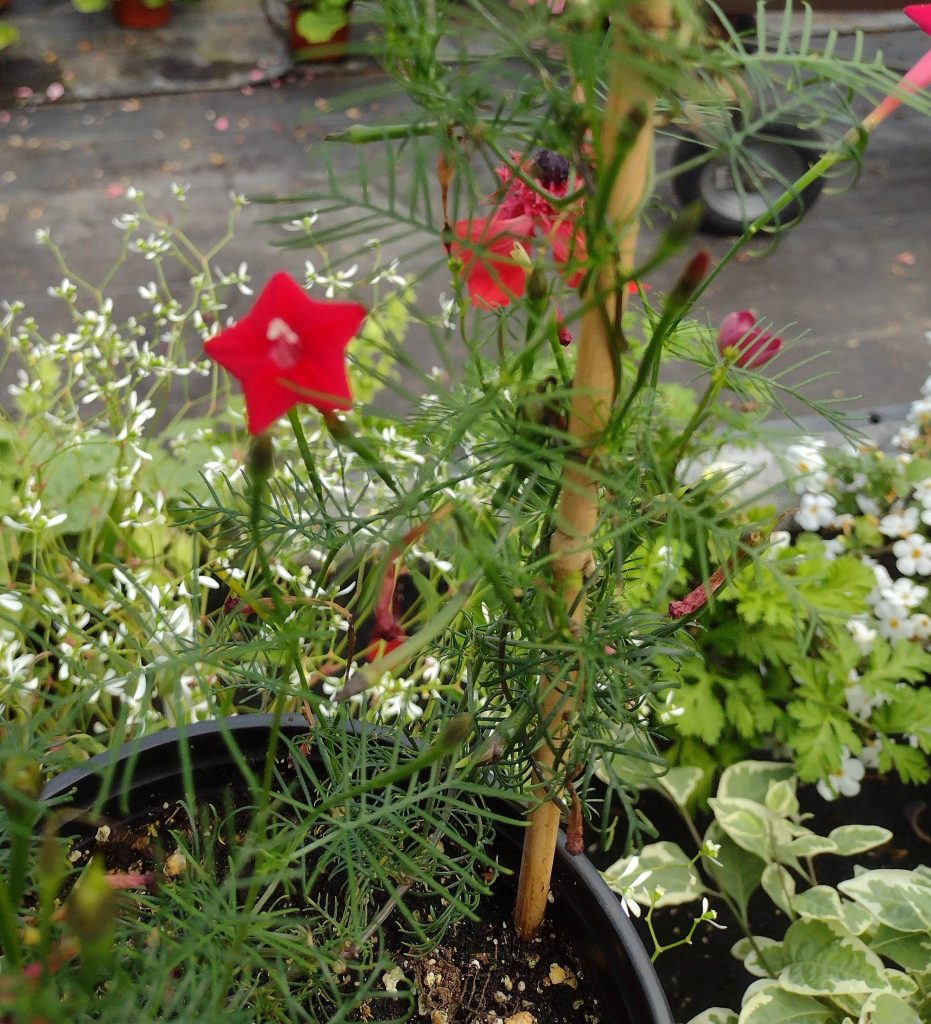
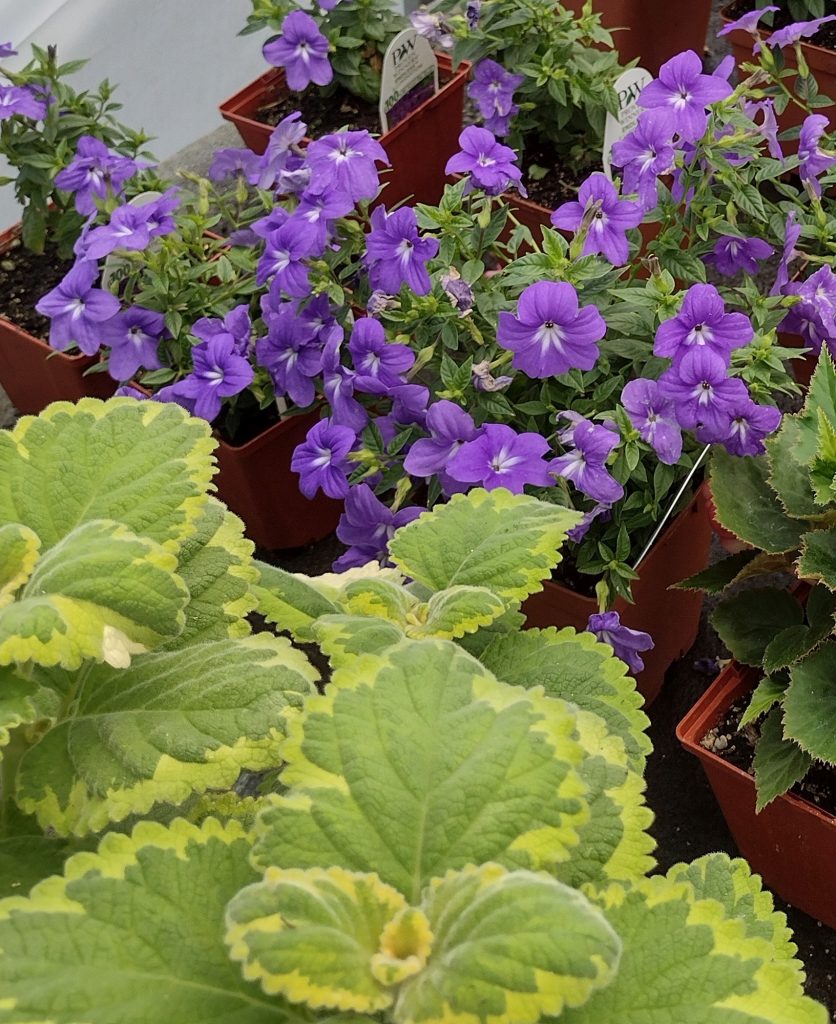
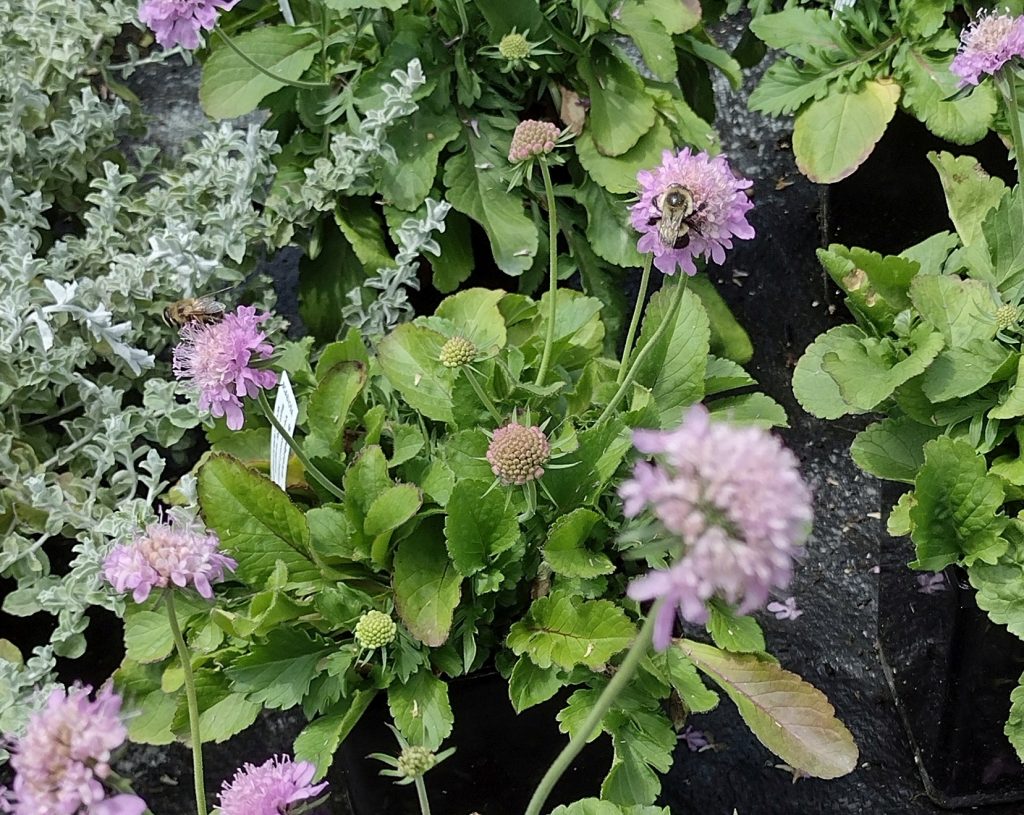
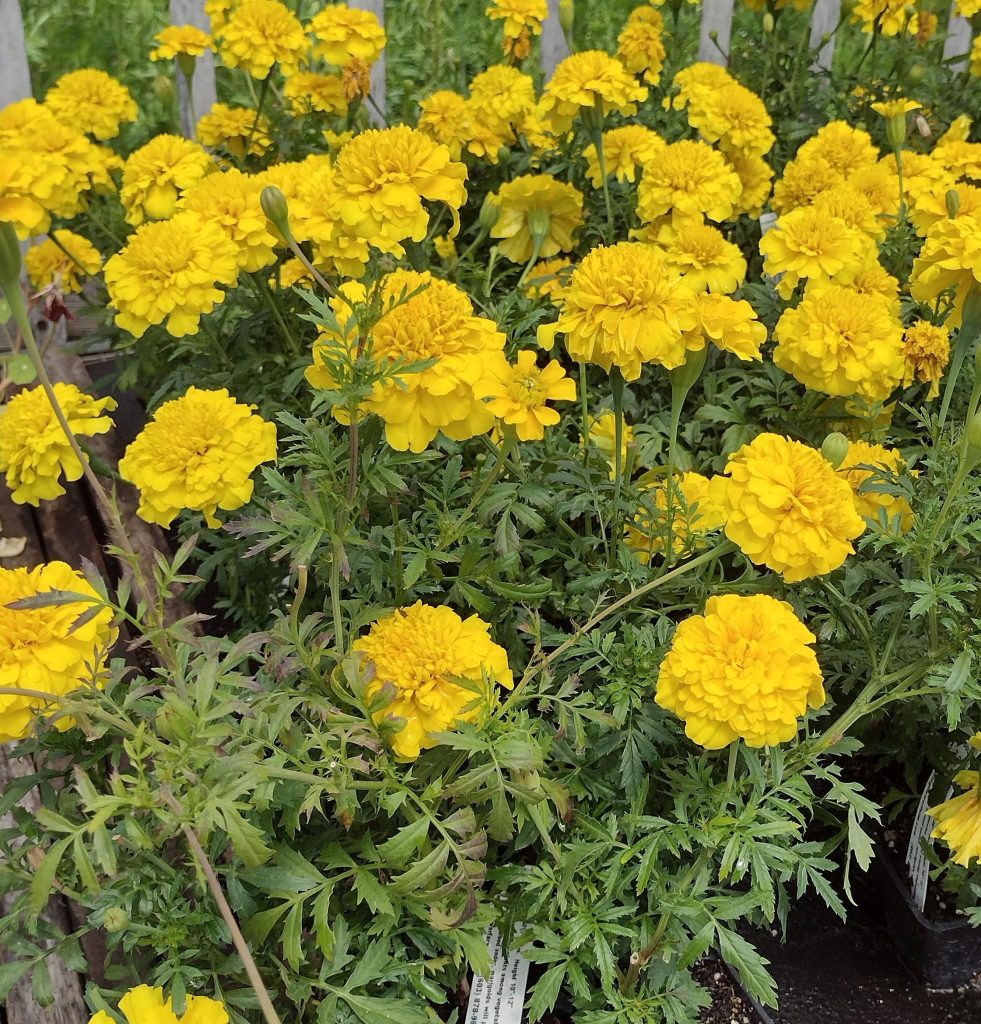
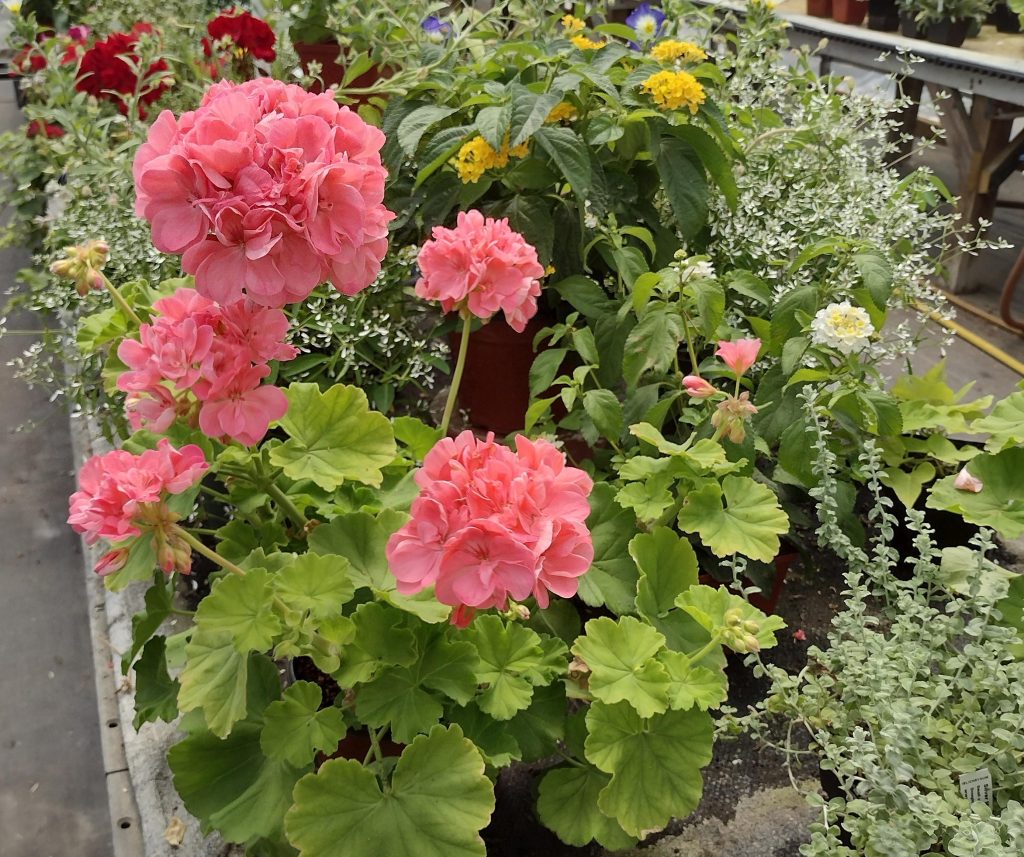
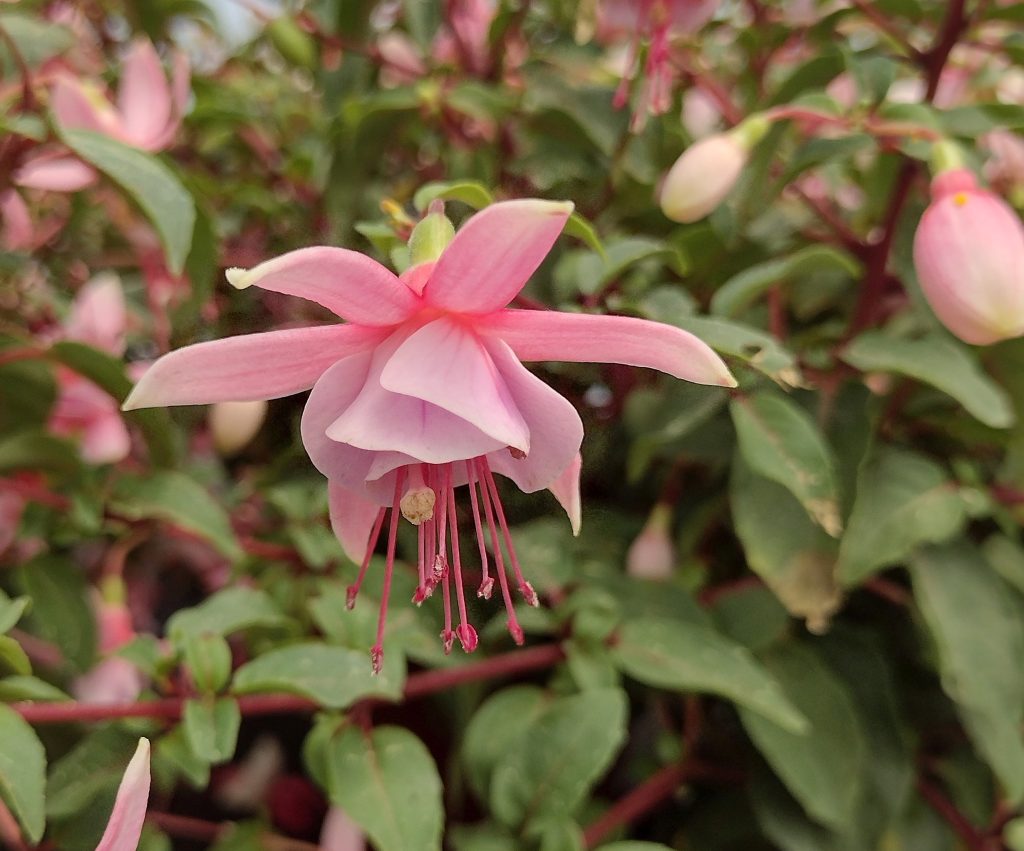
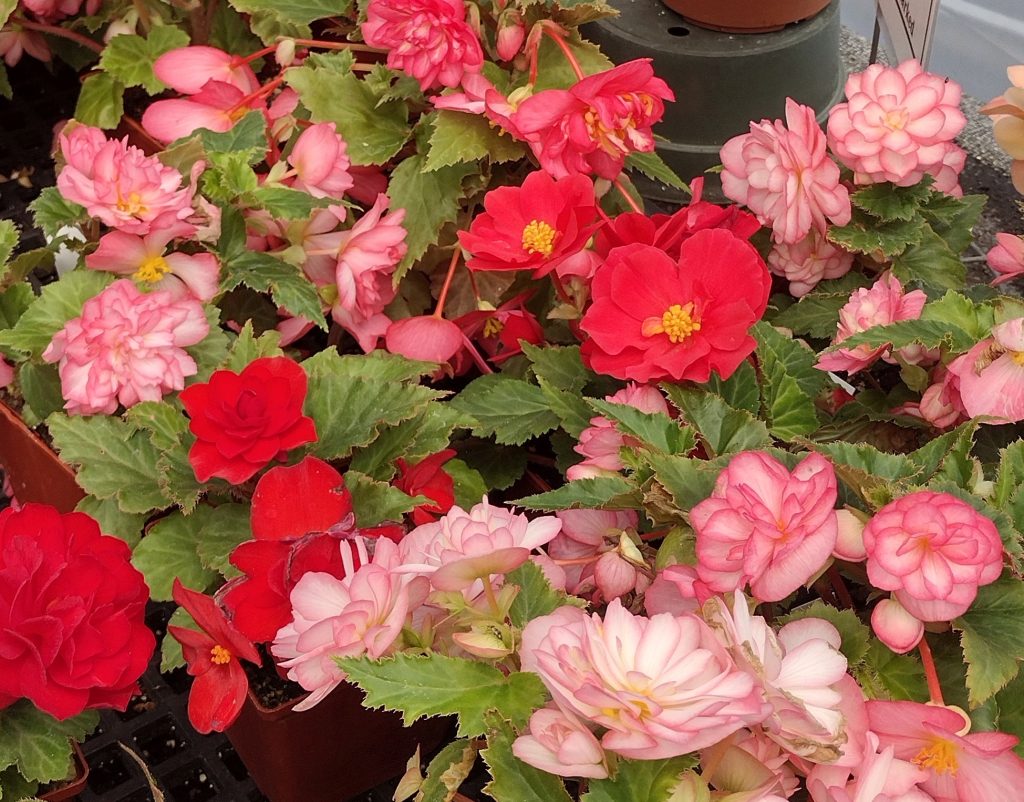
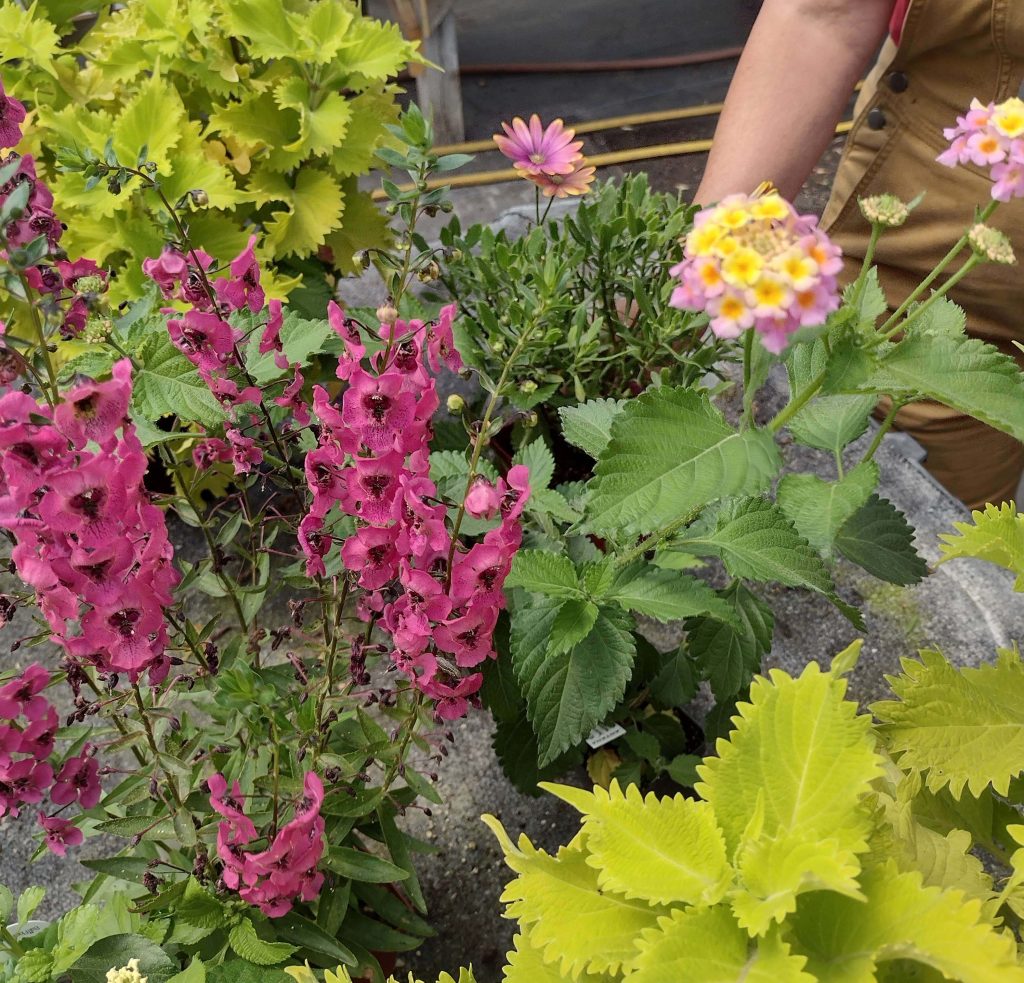
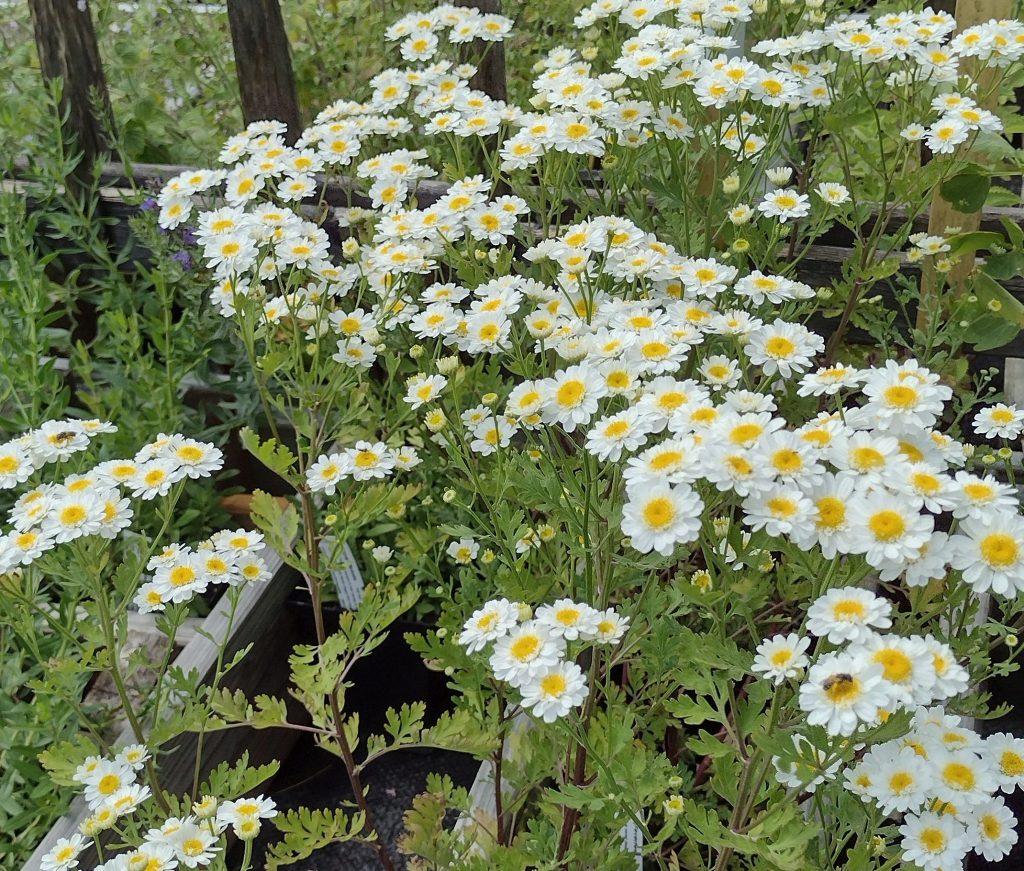
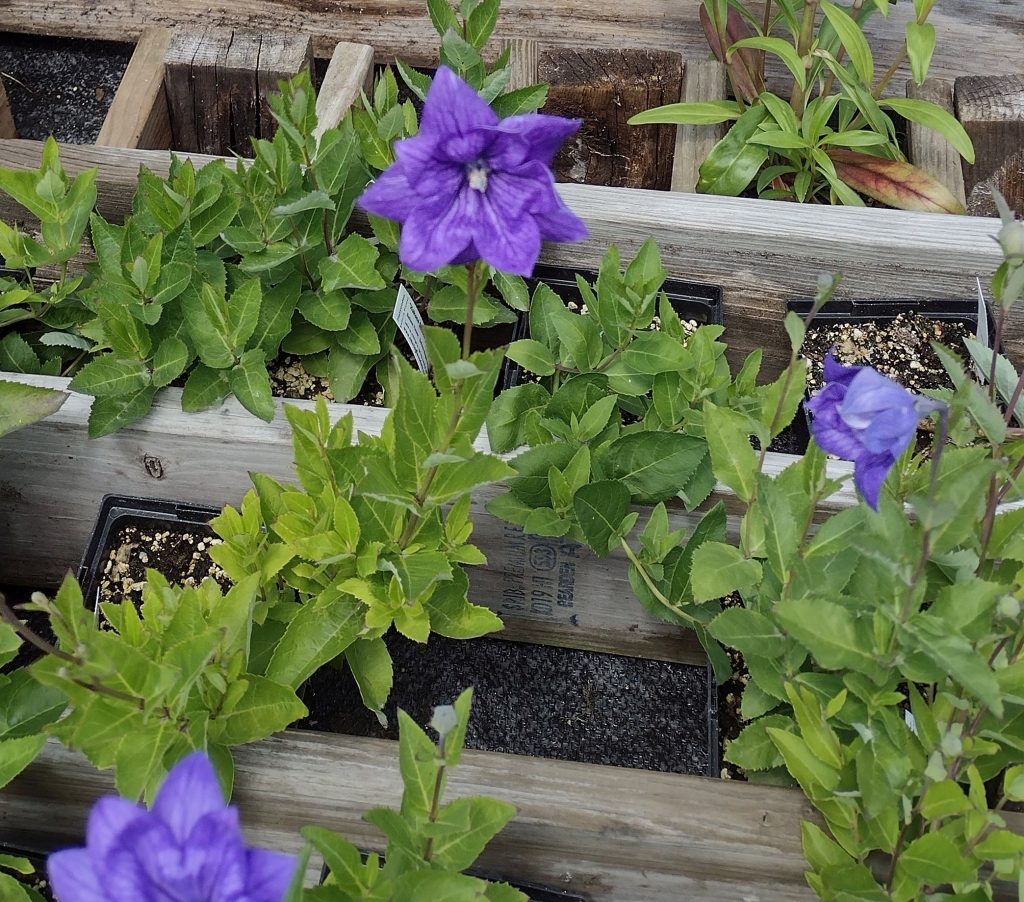
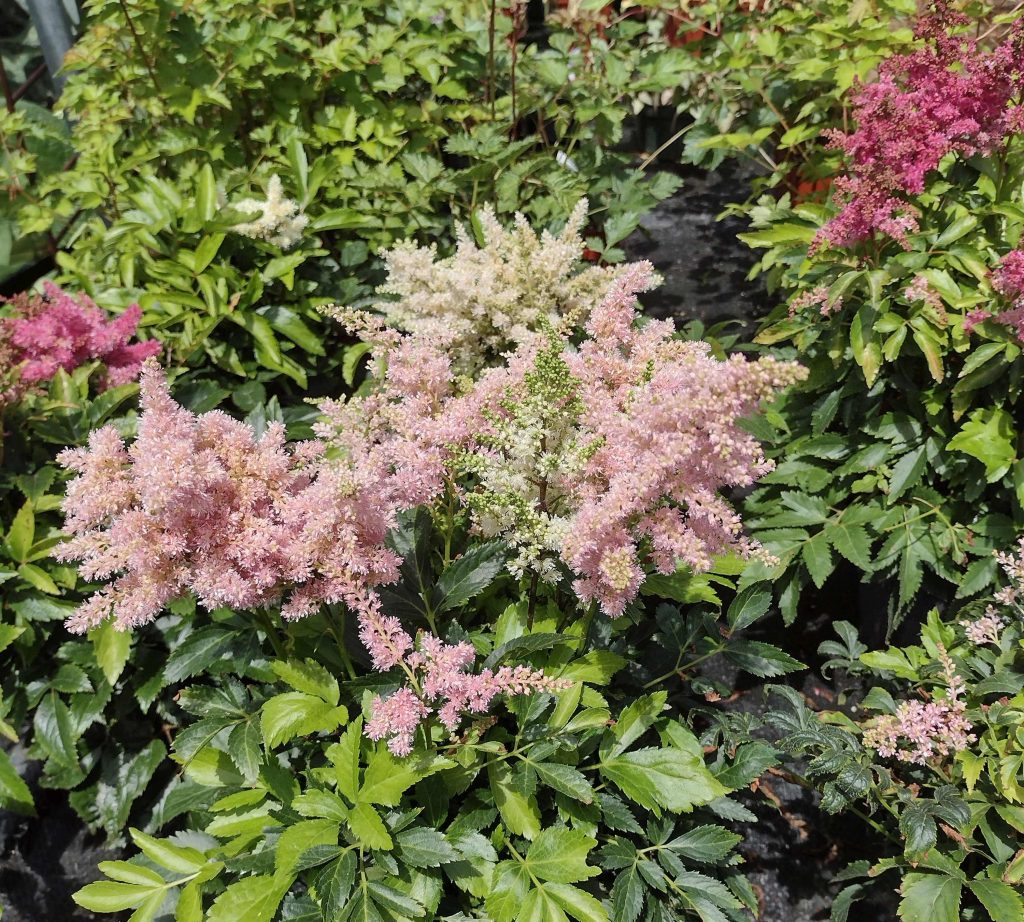
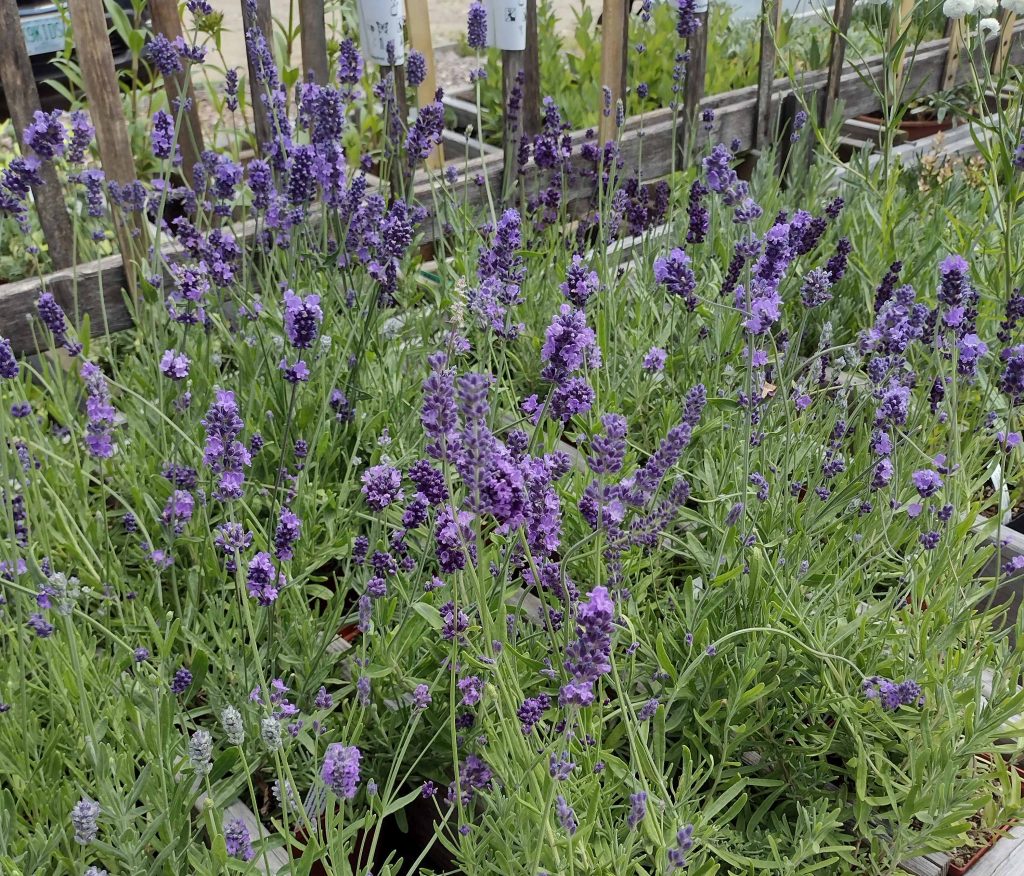
Here are some of our perennials:
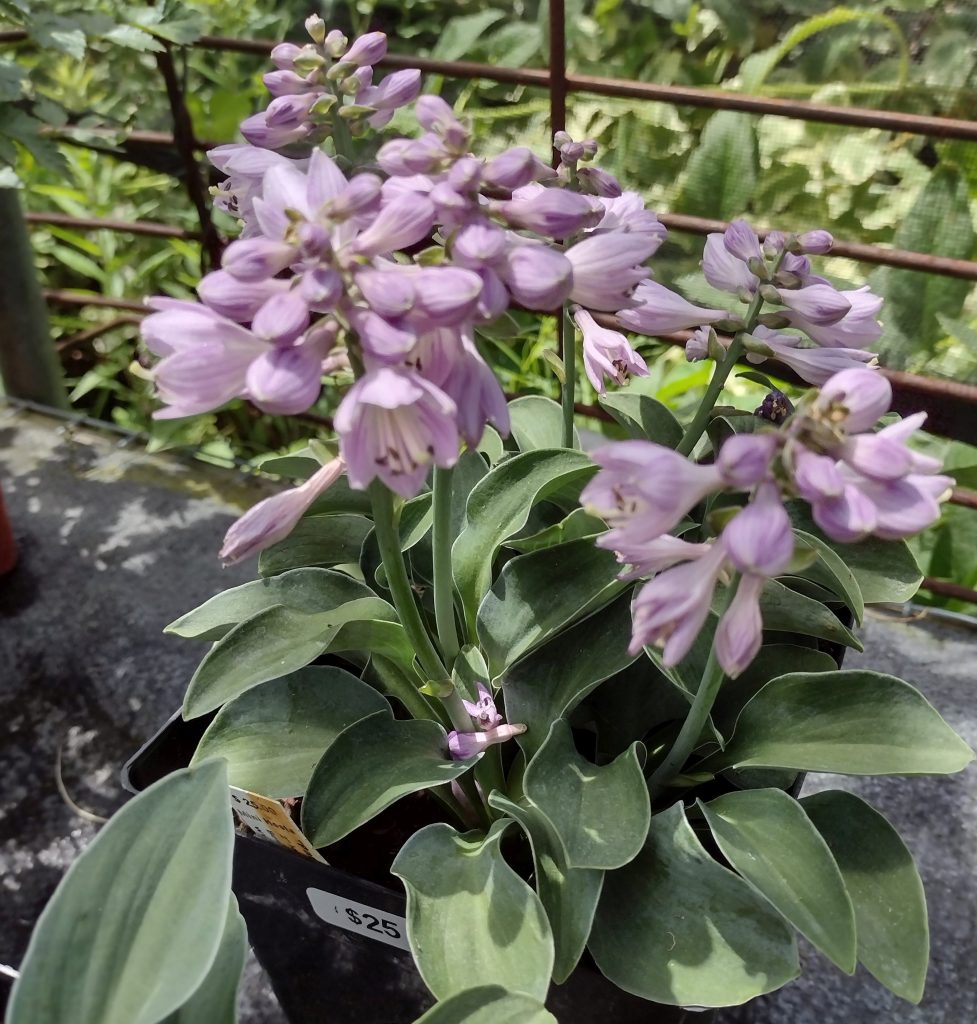
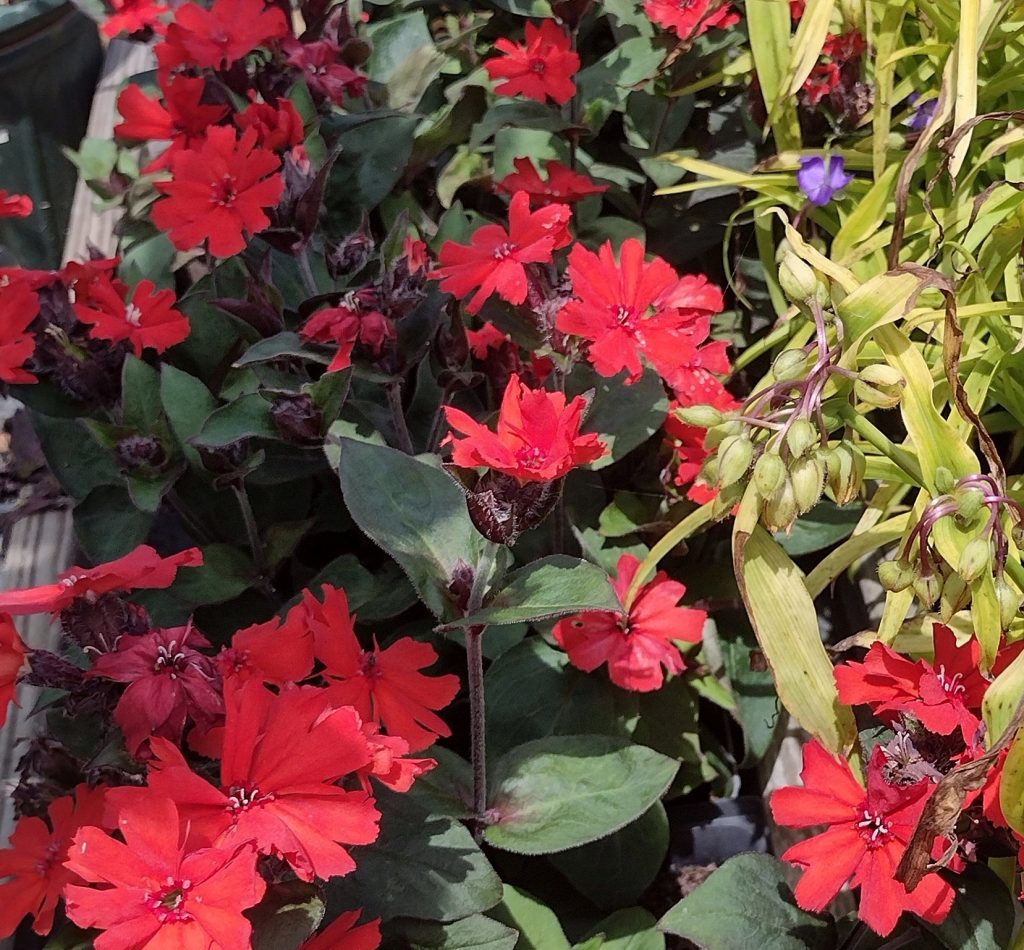
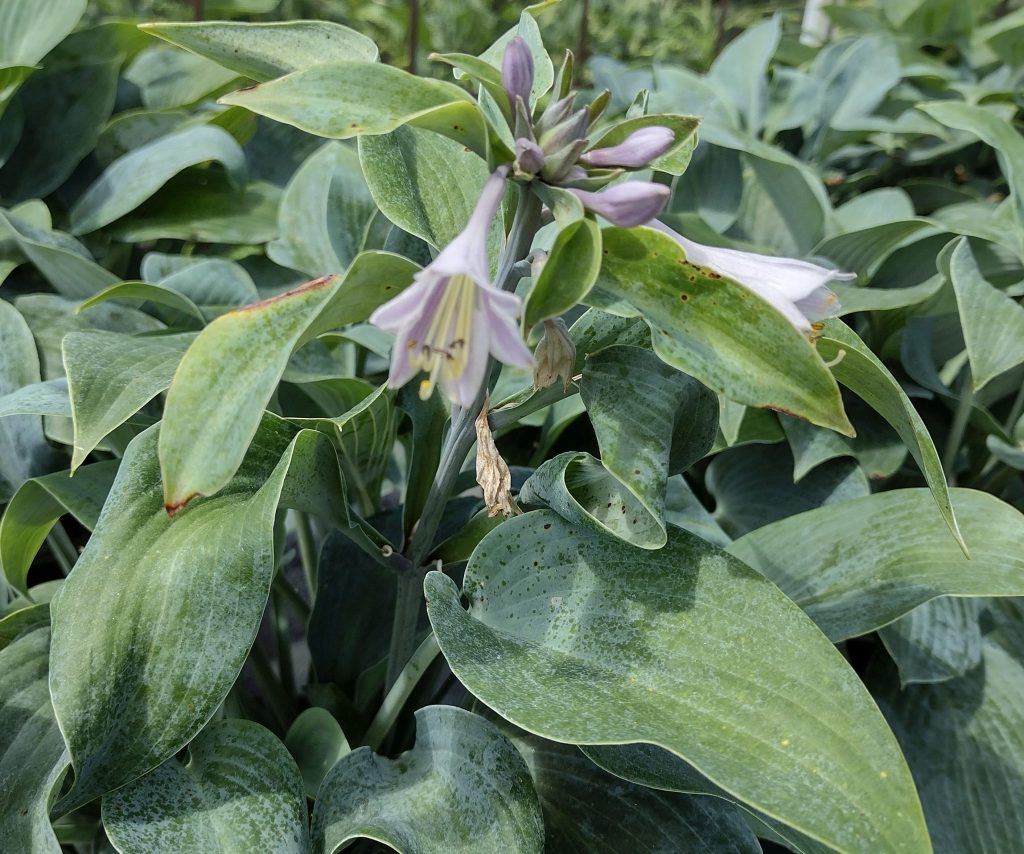
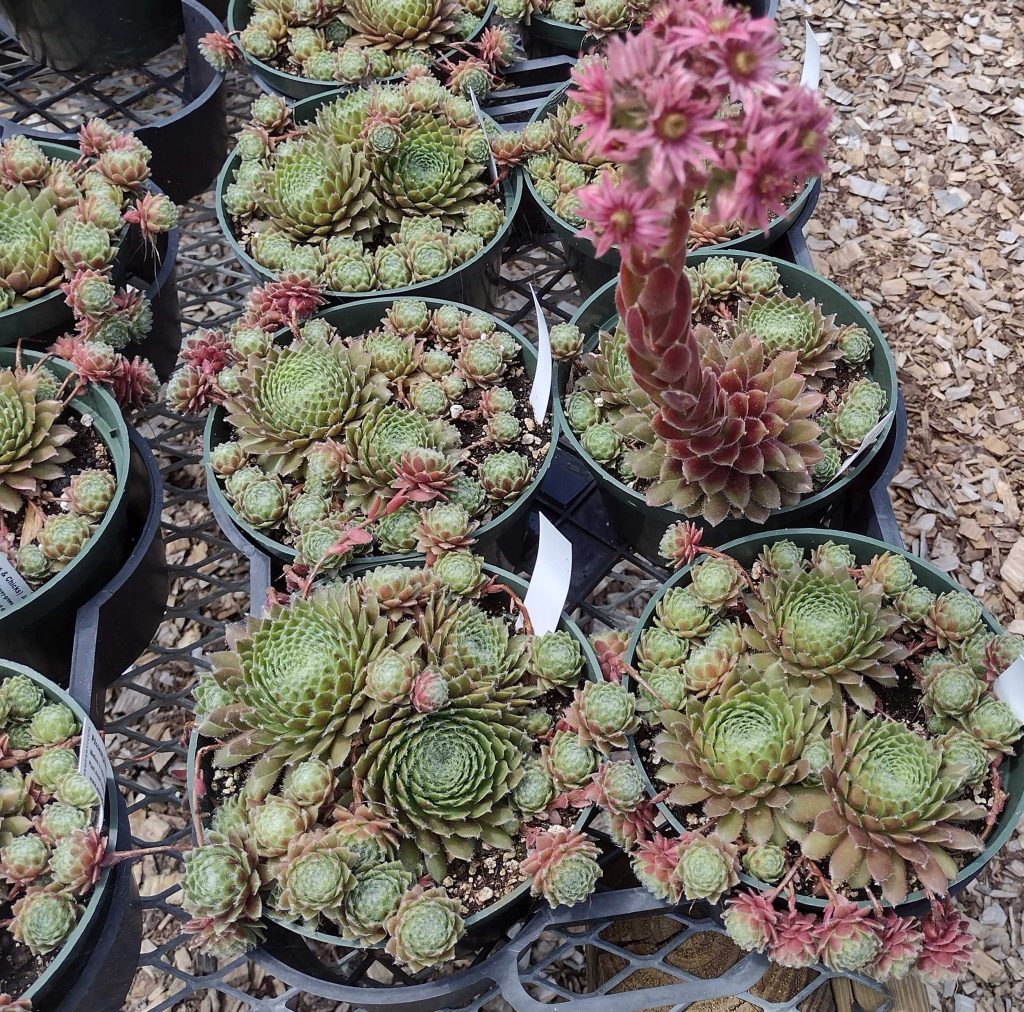
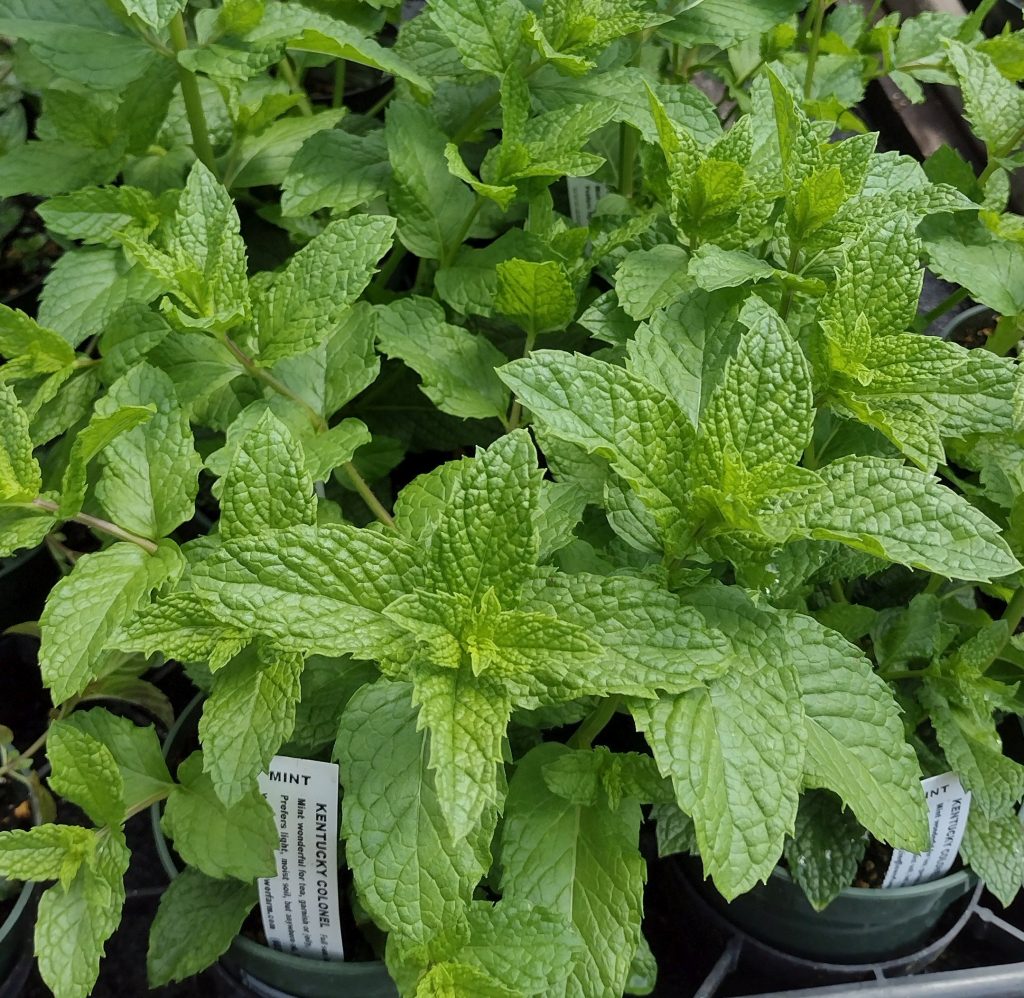
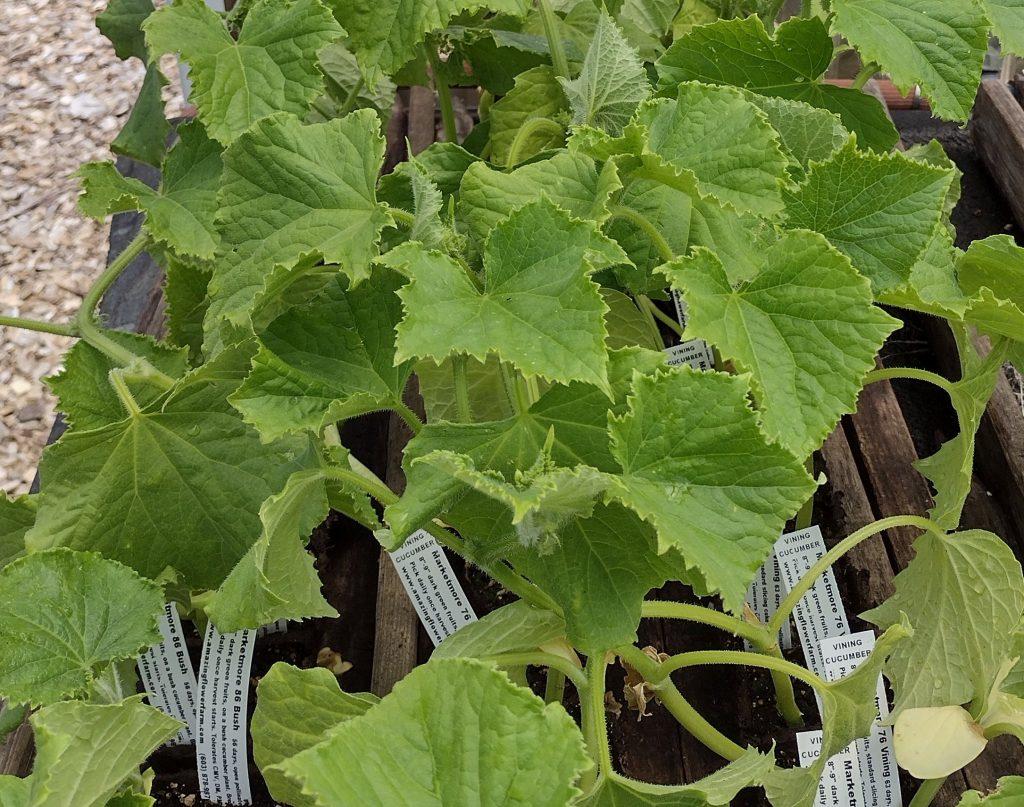
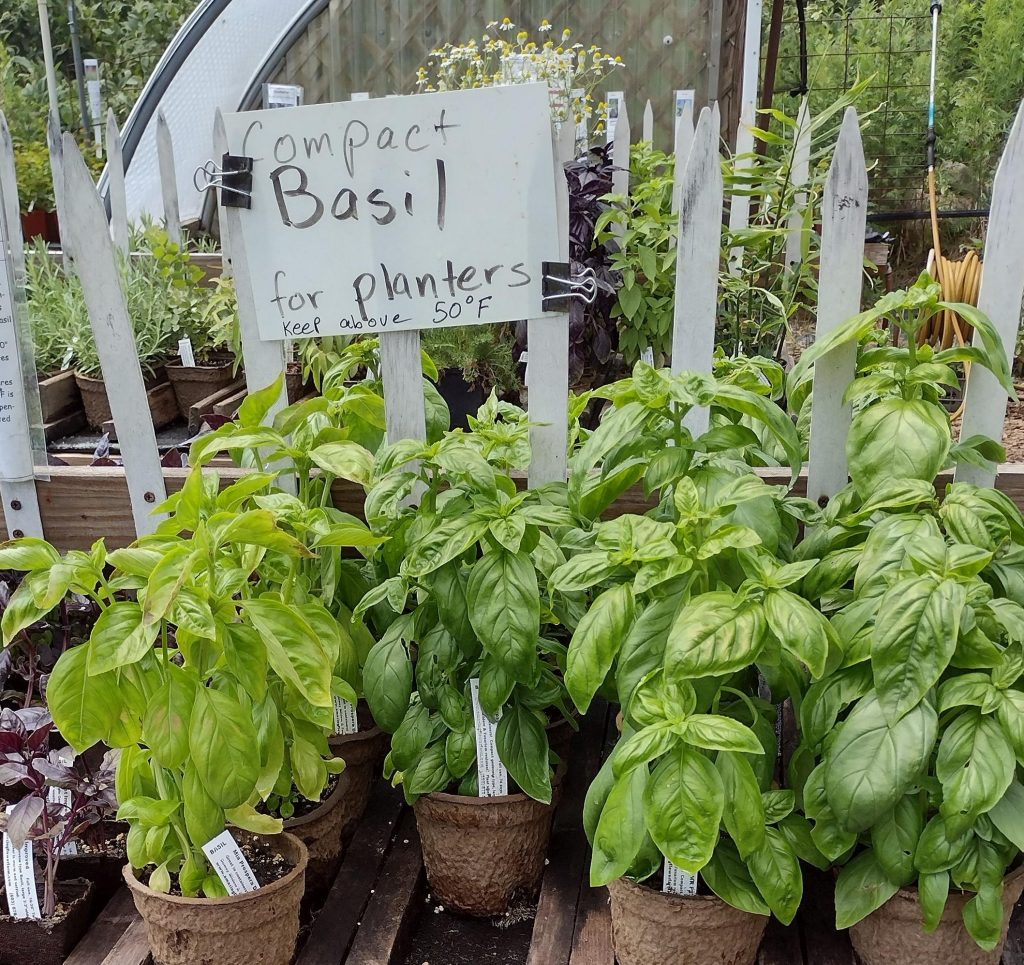
Vegetables and herbs as seen last year:
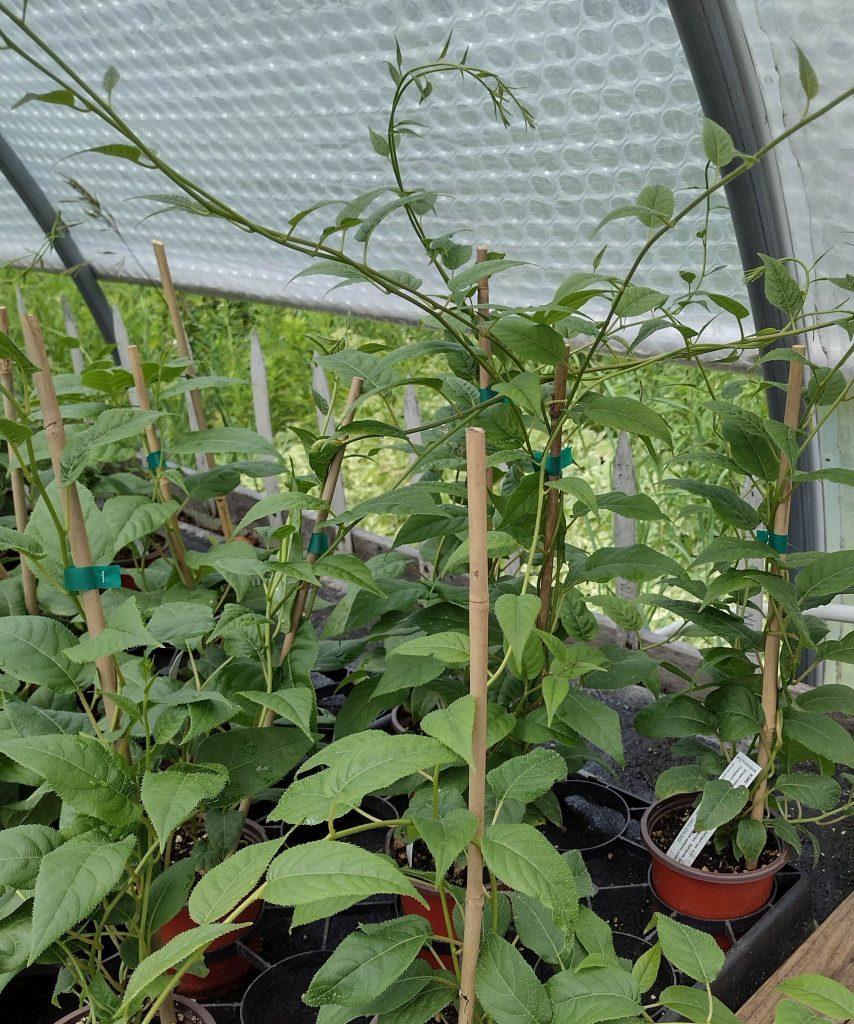
Houseplants!
This year we have some pretty special houseplants. Houseplants have different care requirements, so you can choose something that fits your home or office environment and watering style. Scroll down for more info including care tips.
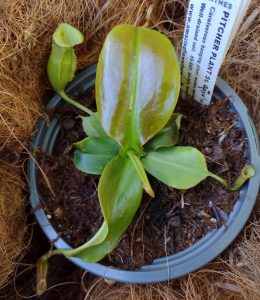
Nepenthes: Pitcher Plant. Our variety is St. Gaya, whose pitchers eventually mature a rosy-burgundy color. Pitcher plants make a pitcher at the end of each leaf. The bottom of the pitcher is filled with a sweet but fatal nectar for any insect that dares enter to drink the nectar. They fall into the nectar and dissolve, feeding the plant. We put our pitcher plants in sphagnum moss to keep the drainage excellent and also keep the humidity high. They thrive in bright indirect light or shade. An awesome natural fly-catcher!
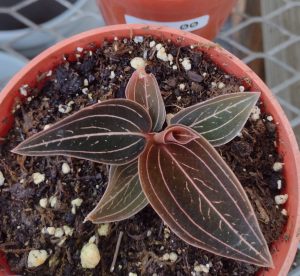
Ludisia discolor: Black Jewel Orchid. This is a slow-growing plant, reaching only 6-12” tall, and prized for its distinctive velvety leaves with pencil-line veining. Protect it from too much sun which will make the color fade. It has very fine, brittle roots and keeping it waterlogged will risk root rot. We’ve planted it in a pot with potting soil and sphagnum moss to keep the humidity up. It won’t need re-potting for quite a while. It will eventually make a small spike of flowers but the leaves are its “wow” factor. This plant is non-toxic to pets.
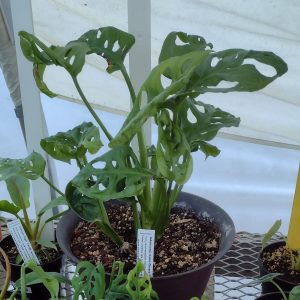
Monstera, Split-leaf philodendron, Swiss Cheese Plant: This was commonly called philodendron but it is not. A long-lived, easy care houseplant with really cool holes in the leaves. This one vines, and you can let it go, fastening it around a window or door frame, or prune it to size and shape. When you prune it, it can branch out. It likes bright, indirect light or shade. Evenly moist soil, or let it dry down then water thoroughly. A survivor. The leaves are said to be toxic if pets eat them. However, it is also the source of breadfruit, with a wonderful aroma and taste, if you are lucky enough to get your mature plant to bloom and fruit. (Mine did once.)
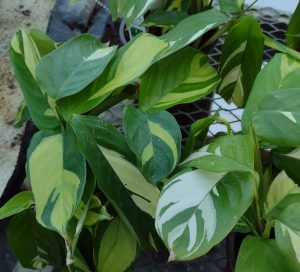
Ctenanthe, formerly Calathea: A Prayer Plant. Our variety is Golden Mosaic, with lovely random variegation on leaves that fold up at night. This is a great plant for cleaning pollutants out of indoor air. It prefers bright indirect light. If it is too shady the variegation won’t be as pronounced. It likes moist, well-drained soil. You can let the top two inches dry before re-watering it. But, it is a survivor. This plant has survived Ara Lynn—who often forgets to water her houseplants for long periods of time. This one is non-toxic to pets.
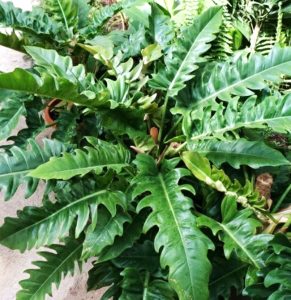
Philodendron: This is a true philodendron. Our variety is Narrow Leaf Tiger Tooth. Baby leaves are long and skinny like a blade, as they mature, they develop jagged “teeth” on the edges. Very easy care: bright indirect light or shade, well-drained soil. Toxic if pets eat it.
We also have some houseplants that really don’t need too much water at all. Water once in a while when the pot is thoroughly dry. We have three kinds of Crassula, or Jade Plants: old-fashioned round-leaf Jade, The Hobbit (tubular leaves) and Curly Green, with broad, thinner, wavy leaves.
Euphorbia Crown of Thorns will bloom almost all year if you keep it happy. These plants are also happy in a bit more sun than the ones above.
You can wander through and buy out of all of the greenhouses. We’ve got a pallet of Chicken Gold manure ready, salt marsh hay for mulch, and floating row cover for excluding insects.